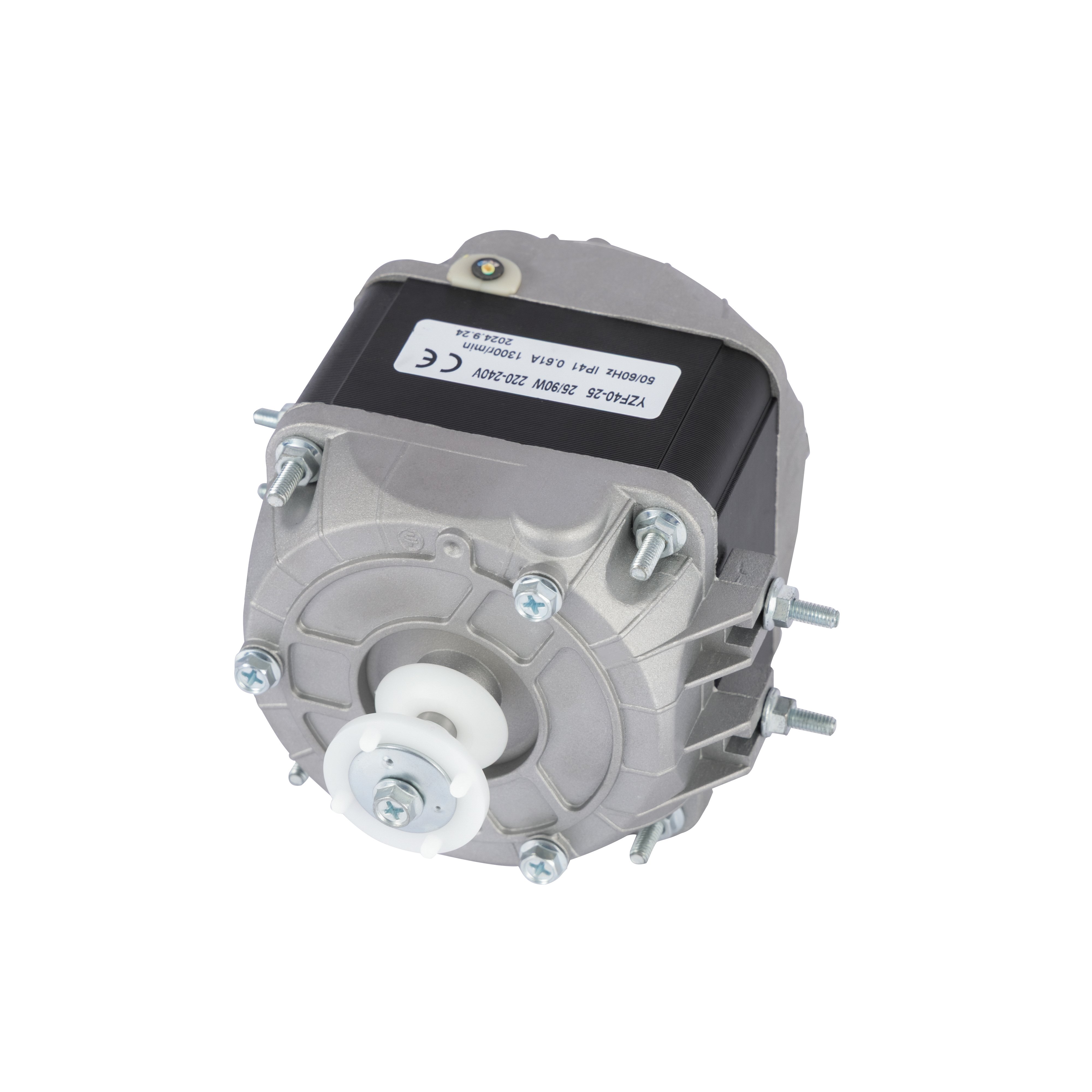
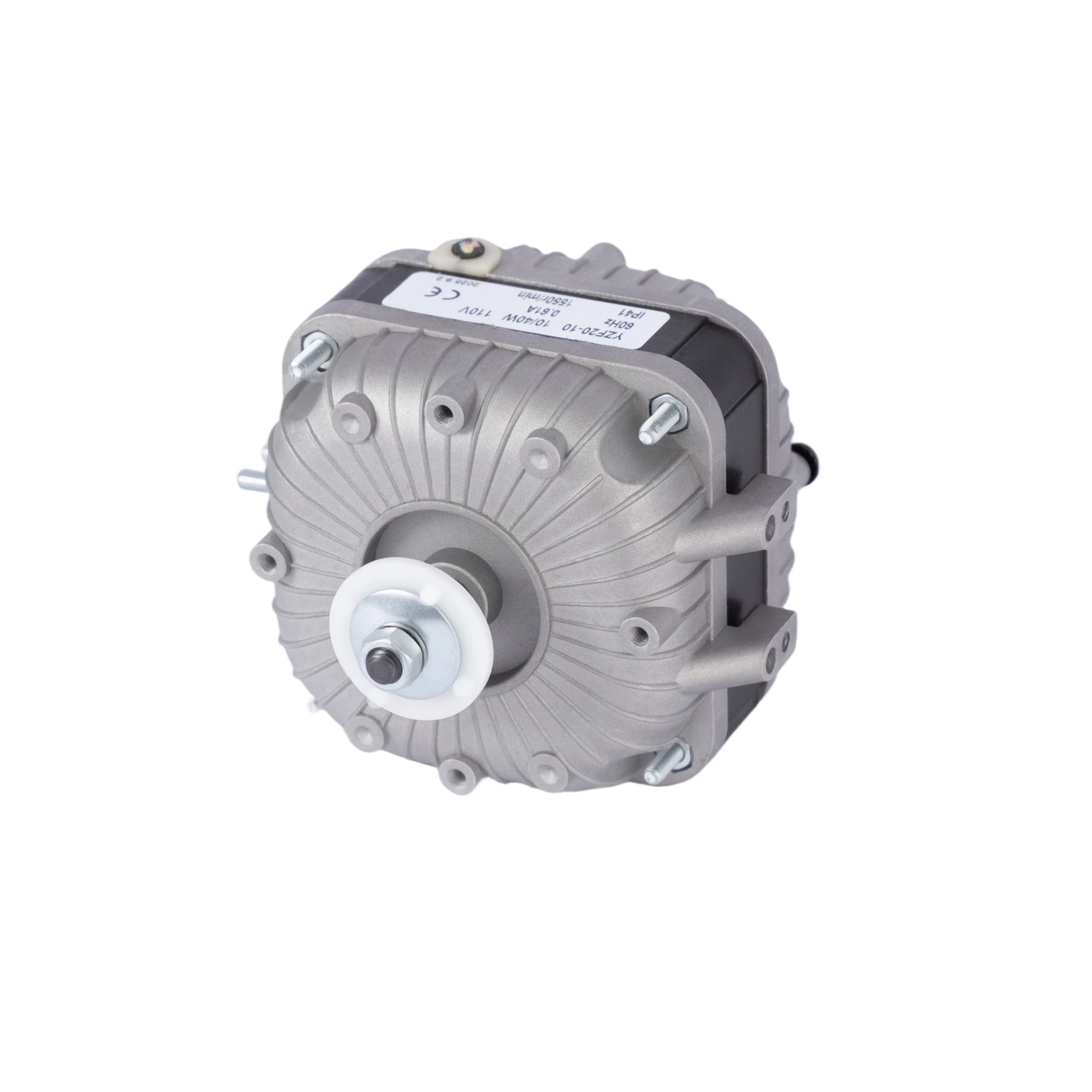
Motors have an important component, which is the poles. They facilitate motors to function well and smoothly. So let's read more about poles and how they play a role in how our motors perform.
Electric motors can have the formation of a set of poles in different manners. The way the poles are arranged can affect how the motor operates. The motor will run faster in some setting and slower in others. Here is what you need to know about how pole configurations can affect the performance of an electric motor.

The shape of the poles in such a motor can affect its performance and reliability. The better the poles are designed, the better the motor performs and the longer it lasts. But if these poles are not designed the right way, the motor may not perform as well, and it may break down more often. Pole design is worth considering in motor designing.
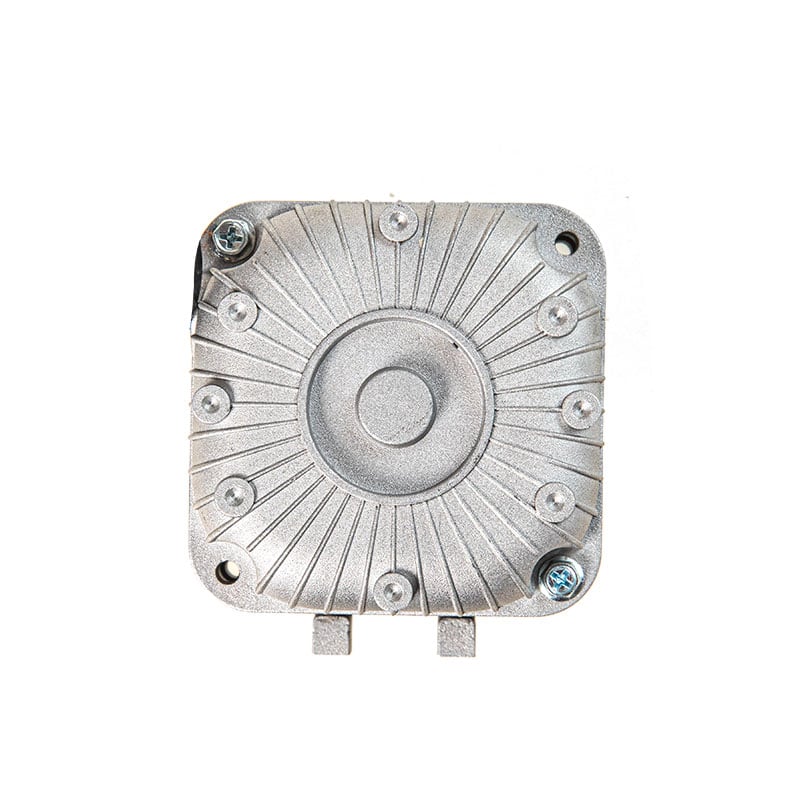
Correct Poling in Motor Design Can be a Big Help. “When the poles are in the right locations, we can make the motor work more efficiently, which reduces the amount of energy it needs,” he said. This may save you money on your electricity bill as well as reduce your effects on the environment. We cannot forget about the poles position decision when designing motors.
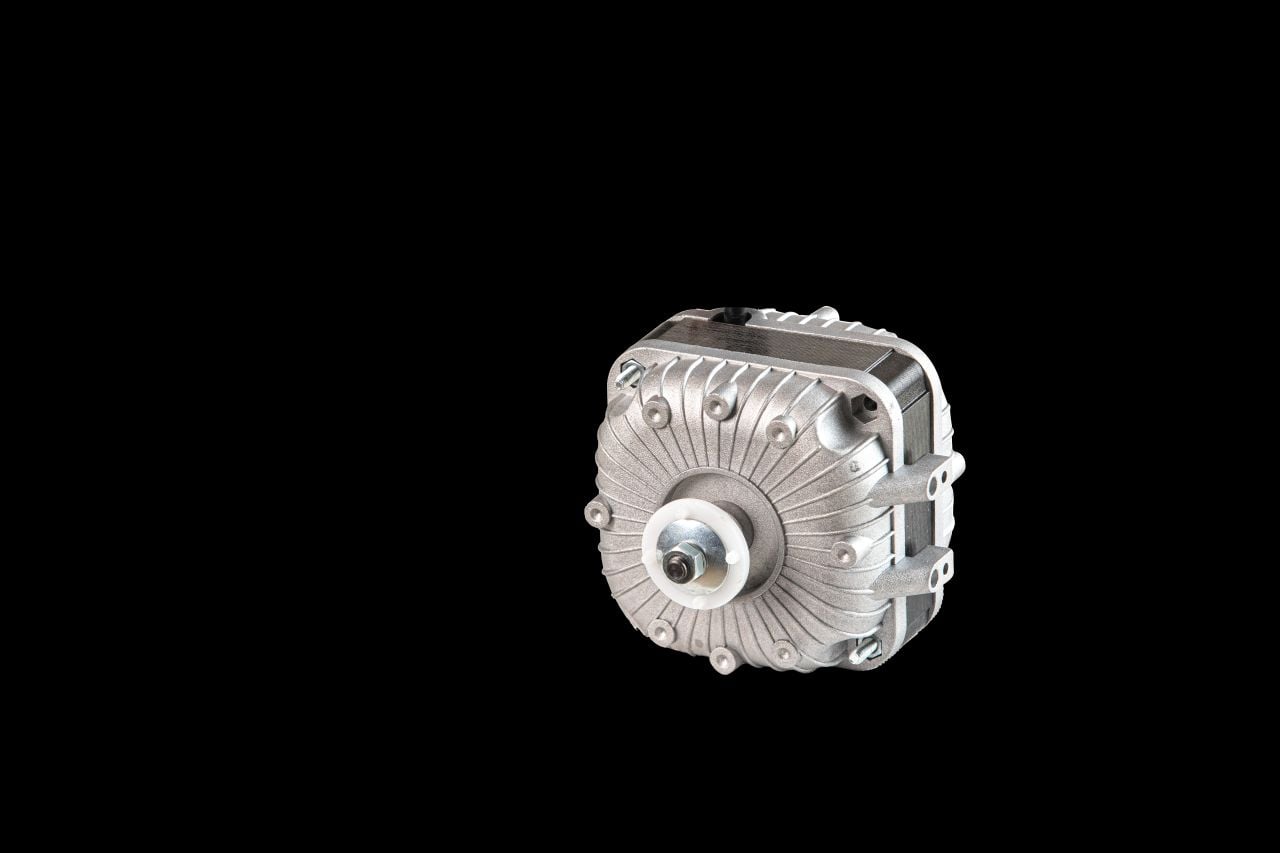
There is a lot of science to the way poles are placed in high-performance motors. Engineers are always working on the best way to put poles inside of motors to make them do their best work. By having a better grasp of the science of polar arrangements, the engineers can design motors that run faster, use less energy and last longer.
With over 17 years of specialization since 2007, we focus on developing and manufacturing a wide range of micro motors, including shaded-pole, capacitor asynchronous, dual-voltage, and DC brushless motors, catering to multiple industries from commercial refrigeration to medical equipment.
Our factory operates multiple automated motor production lines supported by dedicated testing equipment, achieving an annual production capacity of 4 million micro motors to ensure consistent quality and reliable supply.
All our motors and fans are certified with CCC and CE, demonstrating compliance with international safety and quality standards, making them suitable for global distribution and diverse commercial applications.
We have a specialized team focused on motor R&D, production, and quality control, operating in strict compliance with ISO9001 standards to ensure each product meets high-performance and safety requirements.

 EN
EN