
 EN
EN
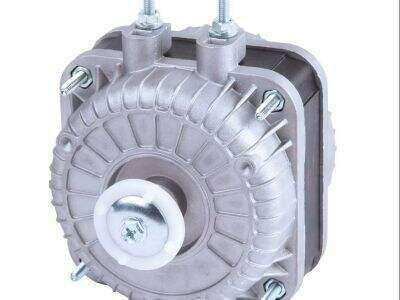
15- Slip and the Running of Pole Motors
Pole motors are used in every day equipment we use and operate such as appliances. Slip is one of the major parameters which influences the performance of shaded pole blower motors of the most important key components in the functioning of pole motors is slip, and it's critical that we gain double-click: From there, we look at how slip is going to affect your pole motor experience end-to-end and discover best practices for optimal performance by focusing on accurate slip management.
Percentage of Slip in Performance of Pole Motors
Slip is the differential between the speed of the rotor and that of the magnetic field produced by a motor. Slip is an important consideration in a pole motor since it directly affects the efficiency, and thereby performance of the pole motor. Slip in a motor affects its torque output, speed regulation and power consumption. With proper slip control, manufacturers maximize the performance and energy efficiency of pole motors.
The role that slip plays an effect of pole motors efficiency
Slip is a key factor that influences the performance of shaded pole motor winding with rubber alone also means a lot of slippage and added energy loss, which is not exactly the most effective application. On the other hand, reducing slip can improve the efficiency of pole motor and reduce electric energy consumption as well as obtaining better performance. If you manage slip properly, motors run nearer their maximum efficiency levels and you save money in energy usage and operating costs over the long haul.
Improvement of Motor Functions by Means of Slip Control
Decent slip control is all important to be able to get the best of a pole motor. By controlling the percentage of slip in a motor, OEMs can tailor its performance to application requirements. From the commercial chillers to domestic appliances or medical machines, accurate slip control permits pole motors to work more efficiently and effectively.
Getting the Most Out of Your Slip Management
Slip management is a key aspect for efficient productivity in industrial operations. When shaded induction motor operate at the right slip, manufacturers see increased production output efficiency, streamlined operations and better overall operating efficiencies. Correct slip control also minimizes downtime, maintenance costs and standstill wear to motor parts. Companies that vigilantly monitor slip levels and take proactive measures to maintain their floors will enjoy greater productivity rates and earn an edge over competitors.
Optimal Slip Control for Motor Lifetime Enhancement
Best slip control can prolong lifespan of pole motor. Too much slip can cause over heating, more wear on the motor components and early failure of parts. If slip levels are accurately controlled to give a balance between torque and speed demand, it is possible for manufactures to have pole motors running in a smooth and efficient manner for several years. That’s why by devising and following good maintenance routines, frequent inspections and on-the-dot repairing activities you can help extend the life of pole motors so that breakdowns or expensive new installations are less likely to throw a wrench into your operation.
slip, is an important factor of operation in pole motors that affects their efficiency, performance, output and life. With a grip on slip and the right tools for its control, manufacturers can take full advantage of pole motors for various industrial applications. With the proper focus on slip control and maintenance, companies can help increase the number of effective pole motors in their operation as well as their energy efficiency, increased productivity and more. Slip management is the key to unlocking this potential of pole motors and driving innovation in a changing industrial world, where such systems must make effective use of slip.