
 EN
EN

High-Efficiency Motors for Cold Chain Equipment: A Full-Scenario Analysis from Design to Application
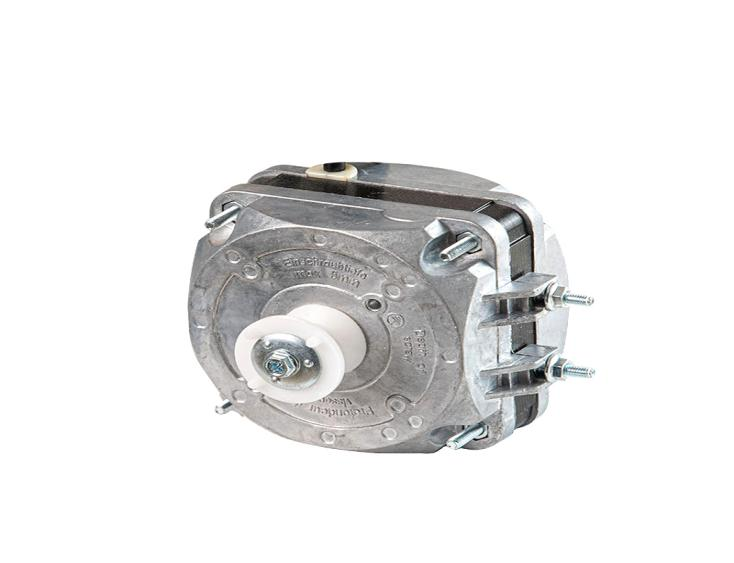
In the cold chain industry, where uninterrupted temperature control and operational reliability are critical, the motor—the "heart" of refrigeration equipment—plays a decisive role in system performance. Today, we take an in-depth look at high-efficiency cold chain motors (like the model shown below), breaking down their design principles, material advantages, and real-world applications to reveal why they are becoming the preferred choice for modern cold chain operations.
1. Core Design Principles: Balancing Efficiency and Durability
The design of cold chain motors is tailored to the unique challenges of low-temperature, high-humidity environments, focusing on two core goals: maximizing energy efficiency and extending service life.
1.1 Optimized Electromagnetic Structure
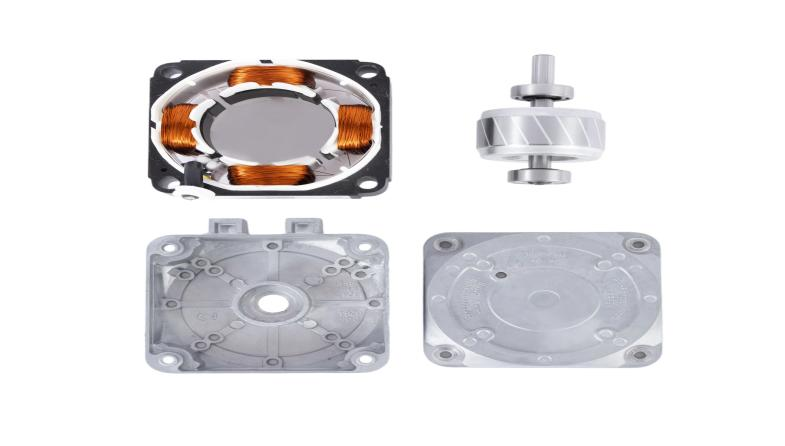
Modern cold chain motors adopt a high-efficiency electromagnetic design, using low-loss silicon steel sheets and precision-wound copper coils to minimize energy loss during operation. Compared to traditional motors, this design reduces idle power consumption by up to 40%, ensuring stable airflow output while cutting unnecessary energy waste.
1.2 Sealed and Reinforced Structure
To resist moisture and frost in cold storage environments, motors feature a fully sealed casing design. The cast aluminum housing not only provides excellent corrosion resistance but also effectively isolates internal components from external humidity, preventing insulation degradation and extending the motor's service life to over 50,000 hours.
2. Material Selection: Built for Harsh Cold Chain Environments
The performance and longevity of cold chain motors depend heavily on the choice of materials, which are carefully selected to withstand extreme operating conditions:
-
Cast Aluminum Housing: Lightweight yet sturdy, it offers superior thermal conductivity and corrosion resistance, ideal for long-term use in cold and humid environments.
-
Sealed Ball Bearings: Pre-lubricated and fully sealed, they eliminate the need for regular maintenance and protect against dust and moisture, ensuring smooth operation even at sub-zero temperatures.
-
High-Temperature Insulation Materials: Class F or higher insulation standards prevent performance degradation caused by temperature fluctuations, enhancing operational stability.
These material choices directly address the pain points of traditional motors, such as rusting, bearing wear, and insulation failure, making them more reliable in cold chain scenarios.
3. Application Scenarios: Versatile Performance Across Cold Chain Operations
High-efficiency cold chain motors are widely used in key links of the cold chain, demonstrating excellent adaptability:
3.1 Cold Storage Warehouses
In large-scale cold storage facilities, these motors drive axial and centrifugal fans to maintain uniform temperature distribution. Their low energy consumption significantly reduces the operational costs of 24/7 running cold storage, while their durable design minimizes downtime caused by motor failures.
3.2 Commercial Refrigeration Display Cases
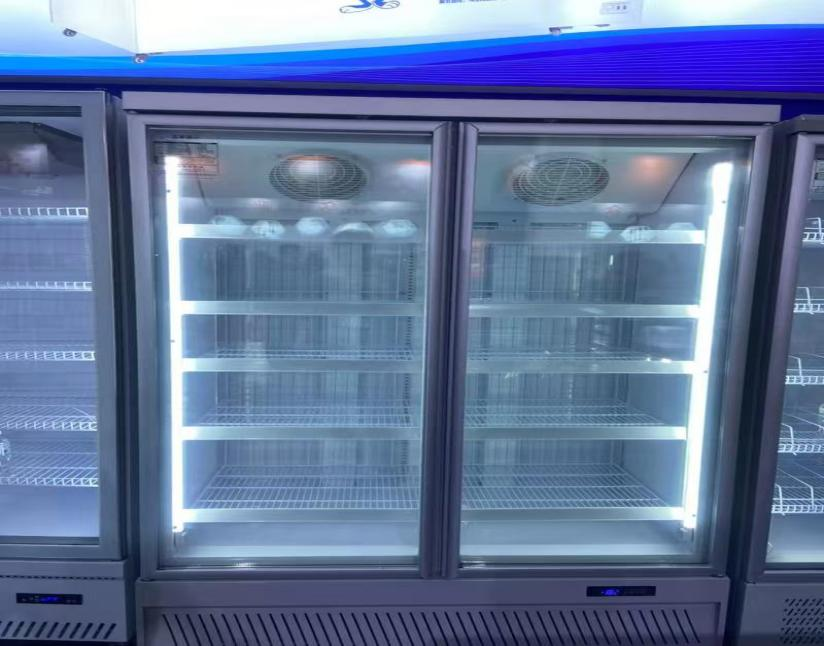
For supermarket refrigerated display cases and beverage coolers, the compact size and low noise operation of these motors are highly valued. They ensure efficient cooling without disrupting the shopping experience, and their stable performance reduces maintenance frequency for retail businesses.
3.3 Refrigerated Trucks and Containers
In mobile cold chain equipment, the shock-resistant design and wide voltage compatibility of these motors make them suitable for the vibration and fluctuating power supply conditions of transportation, ensuring reliable cooling during long-distance logistics.
4. Energy-Saving Benefits: Economic and Environmental Value
The most significant advantage of high-efficiency cold chain motors is their ability to deliver tangible economic and environmental benefits:
-
Reduced Energy Costs: Compared to standard motors, they can cut energy consumption by 30–50%, resulting in substantial savings on monthly electricity bills for cold chain operators.
-
Lower Carbon Footprint: Reduced energy use directly translates to lower greenhouse gas emissions, helping businesses meet sustainability goals and regulatory requirements.
-
Extended Equipment Lifespan: The durable design reduces the frequency of motor replacements, lowering maintenance costs and minimizing operational disruptions.

5. Future Trends: Smart Integration for Next-Generation Cold Chain
Looking ahead, the development of cold chain motors is moving toward intelligent and connected solutions:
-
IoT-Enabled Monitoring: Built-in sensors will allow real-time tracking of motor performance, enabling predictive maintenance and preventing unexpected failures.
-
Variable Speed Control: Adaptive speed technology will match motor output to actual cooling demand, further optimizing energy efficiency.
-
Eco-Friendly Materials: The use of recyclable materials and biodegradable lubricants will enhance the environmental sustainability of motors.
Conclusion
High-efficiency cold chain motors represent a paradigm shift in cold chain equipment design, combining optimized engineering, durable materials, and versatile application performance. From cold storage warehouses to mobile refrigeration units, these motors provide a reliable, energy-saving solution that addresses the core needs of modern cold chain operations.
For businesses looking to upgrade their cold chain infrastructure, investing in these advanced motors is not just a cost-saving measure—it's a strategic decision to enhance operational reliability, reduce environmental impact, and secure long-term competitiveness.