
 English
 中文简体
 Español
 عربى
Industry Insights | October 23, 2026 | Fengyin Motor Introduction In commercial refrigeration equipment, maintaining effective heat dissipation is essential for stable cooling performance. While compr...
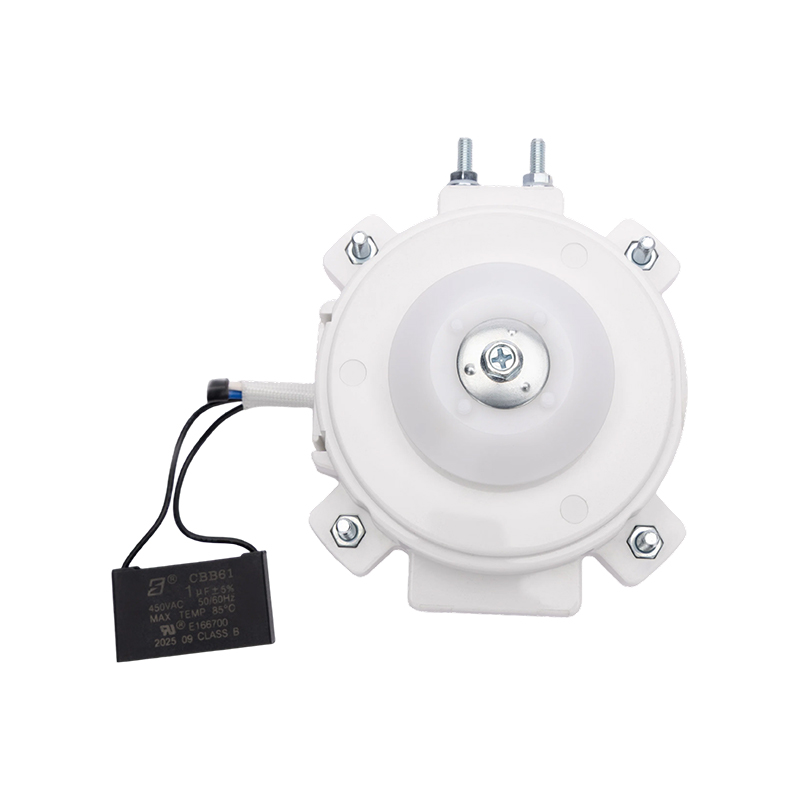
READ MOREA plastic encapsulated motor is an enclosed motor design developed for compact equipment and applications where the motor requires an integrated protective housing. The encapsulated structure helps simplify motor installation and integration into refrigeration, ventilation, cooling, and appliance equipment.
Our YZF Plastic Encapsulated Motors are designed for applications such as refrigeration equipment, cooling fans, evaporators, condenser units, ventilation systems, and household appliances. Different electrical specifications, winding configurations, mounting options, and motor dimensions can be customized according to the requirements of OEM equipment.
As a direct manufacturer, we provide OEM/ODM motor production for equipment manufacturers, wholesalers, and distributors.
Hangzhou Fengyin Motor Manufacturing Co., Ltd. was founded in 2007 and specializes in the R&D and production of single-phase shaded-pole induction motors, single-phase capacitor asynchronous motors, 110V/220V dual-voltage motors, Refrigeration Fan Motor and DC brushless motors. Our products are trusted by manufacturers of commercial refrigerators, household appliances, kitchen and bathroom equipment, and medical devices worldwide.
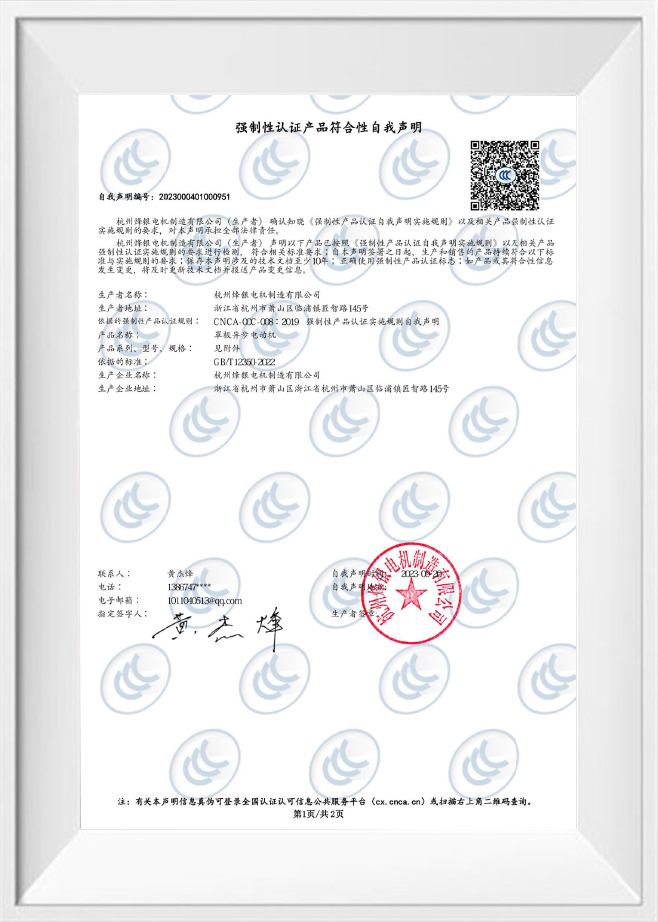
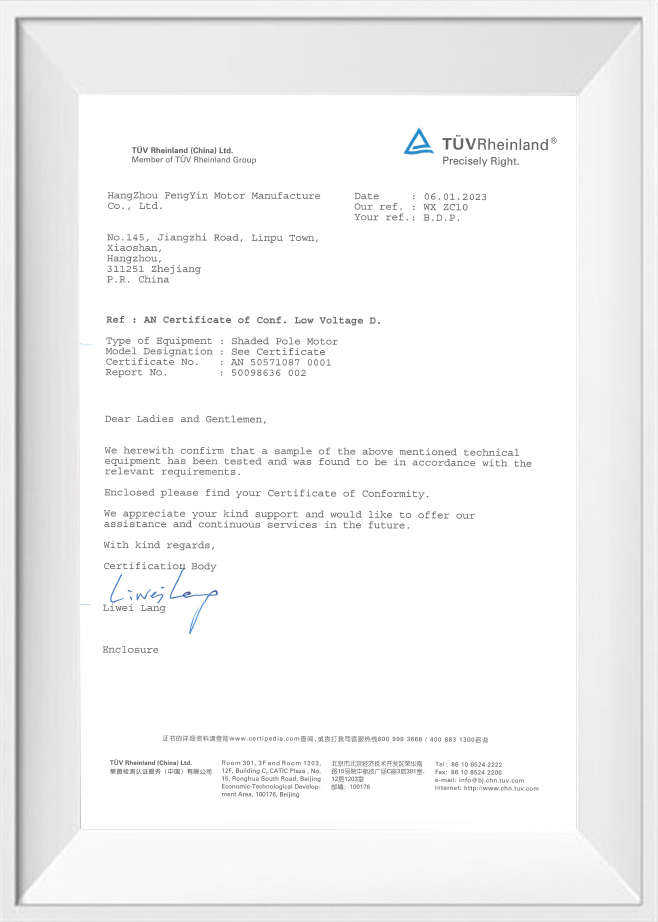
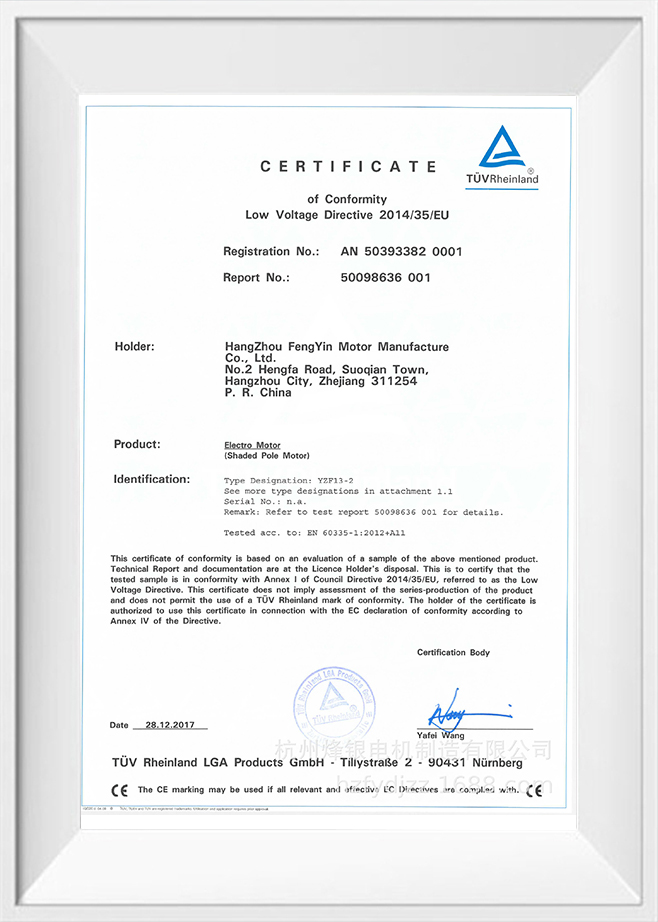
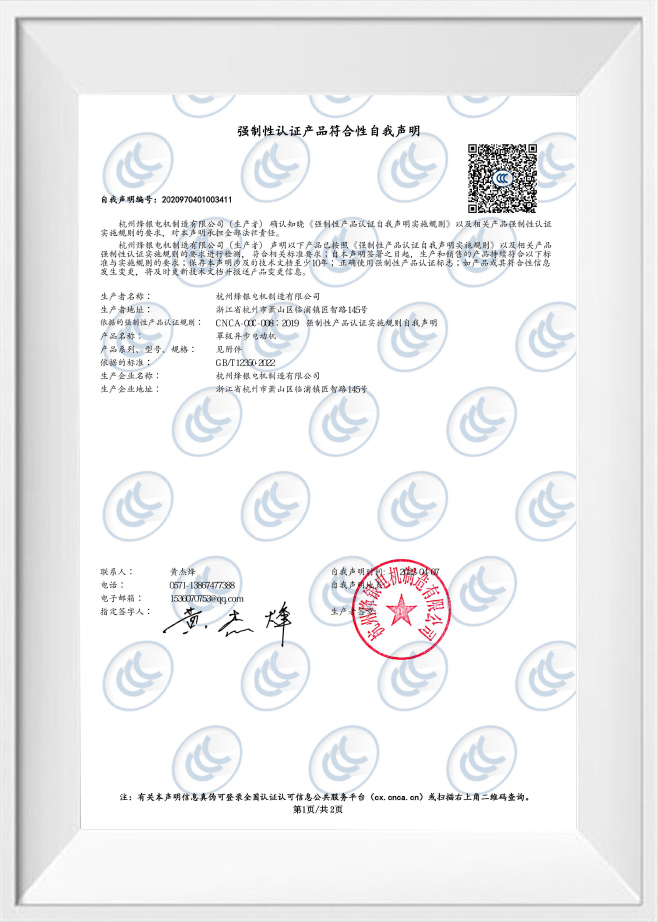
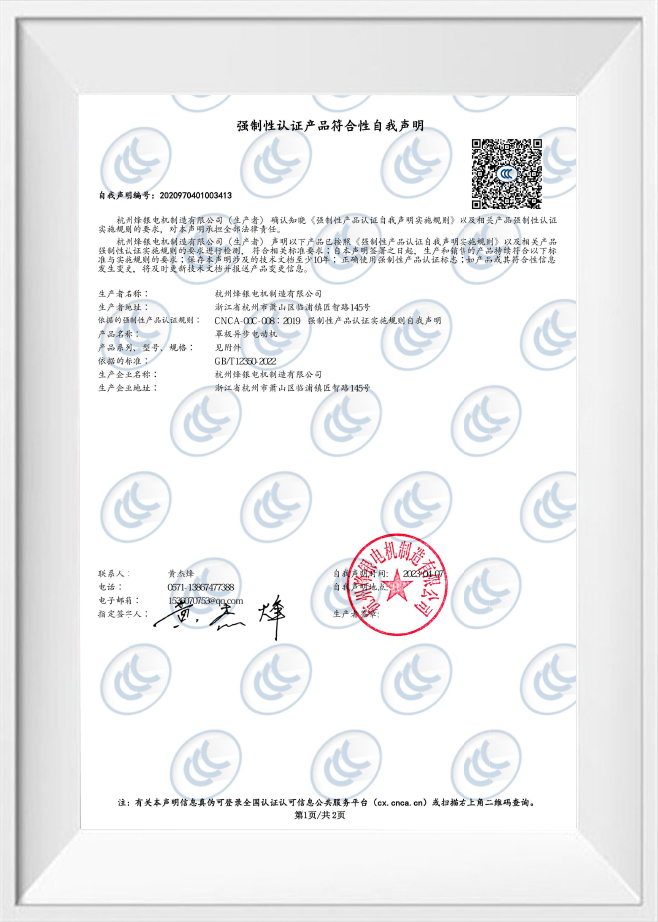
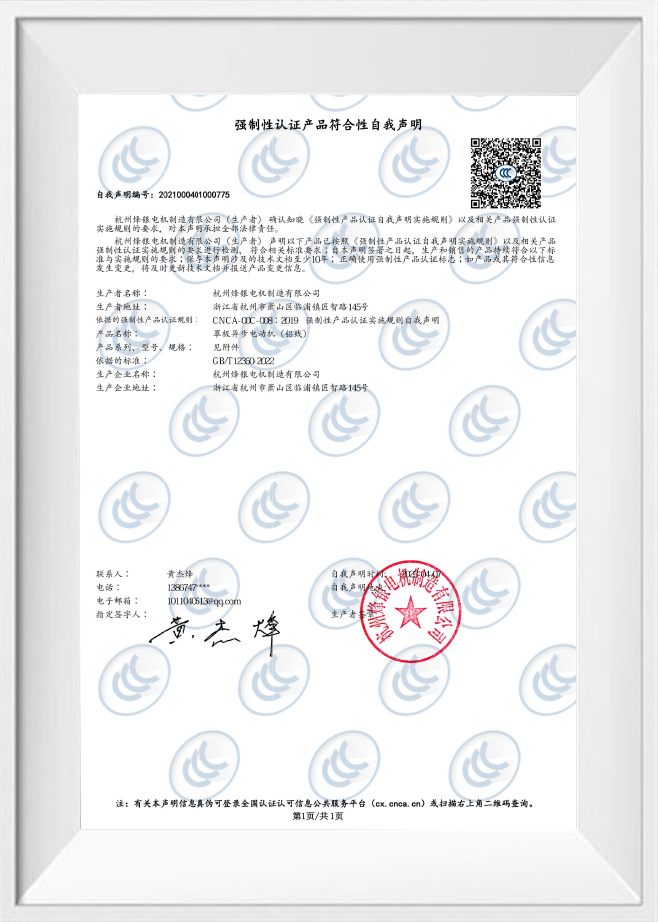
With multiple automated production lines and comprehensive testing facilities, our annual production capacity reaches 4 million micro motors. We operate strictly in accordance with the ISO9001 quality system, and our products are certified with CCC and CE — ensuring seamless access to the European and Chinese markets.
As a professional Fan Motor Factory , we don't just make motors. We build long-term partnerships by understanding your industry’s unique challenges — from -30°C cold chain to hospital-grade quiet operation, from high-heat ovens to moisture-rich environments. Tell us your application. We‘ll find the right motor for it.
Industry Insights | October 23, 2026 | Fengyin Motor Introduction In commercial refrigeration equipment, maintaining effective heat dissipation is essential for stable cooling performance. While compr...
READ MOREThe refrigeration industry in South America has been continuously developing, driven by increasing demand for household appliances, commercial refrigeration equipment, supermarkets, restaurants, and f...
READ MOREAs the refrigeration and ventilation industries continue to evolve, motor selection remains a critical consideration for equipment manufacturers. Shaded pole motors, known for their simple constructio...
READ MOREIn the bustling aisles of supermarkets, the quiet corners of cold storage warehouses, and the vital networks of pharmaceutical logistics, there's a small but critical component working tirelessly behi...
READ MORERecently, the situation in the Iranian region has continued to escalate. The intensified military conflict and geopolitical uncertainty have had a wide-ranging impact on global supply chains, internat...
READ MOREIn the cold chain industry, where uninterrupted temperature control and operational reliability are critical, the motor—the "heart" of refrigeration equipment—plays a decisive role in system performan...
READ MOREJust recently, the United States and Israel launched joint airstrikes against key Iranian energy facilities, targeting the South Pars gas field and the Al-Salouya petrochemical facility. Iran immediat...
READ MOREIn refrigeration and airflow equipment, a motor has to do more than turn a fan blade. It must fit into tight spaces, cope with moisture, keep airflow steady and stay reliable through long running hours. That is why the Plastic Encapsulated Motor is widely used in refrigeration fan assemblies, condenser units, evaporator sections and air circulation equipment. Its structure supports insulation, environmental resistance and stable operation under the conditions typical of cooling systems. Once you know how it works, where it is used and which technical factors matter when choosing one, it is easier to judge whether it suits your refrigeration or ventilation application.
A Plastic Encapsulated Motor is a fan motor with a plastic-encapsulated structure around key electrical or mechanical parts. The construction is common in refrigeration and airflow equipment, where moisture resistance, insulation support and compact installation count.
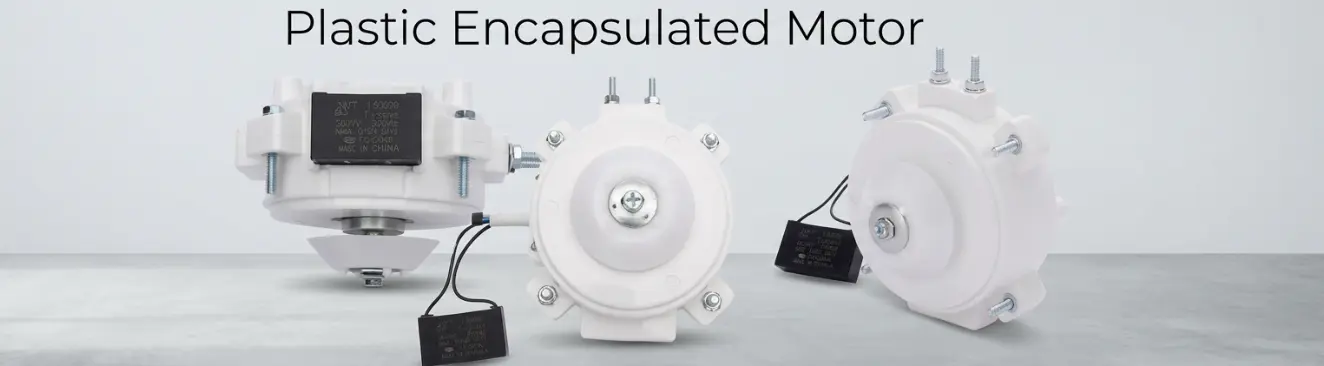
In many cases it serves as a refrigeration fan motor, an evaporator fan motor or a condenser unit fan motor. Its job is to drive a fan blade for heat exchange, internal air circulation or ventilation.
Typical structural features:
In these applications, airflow performance and environmental compatibility are closely linked, and the motor's construction reflects that.
The Plastic Encapsulated Motor acts as the drive component in airflow and heat exchange systems.
When power is applied, the stator produces a magnetic field that turns the rotor. The rotation drives the attached fan blade, which creates the airflow needed for cooling, ventilation or heat transfer.
The encapsulation protects the motor assembly where humidity, temperature swings and condensed moisture may be present. In a refrigeration system, this reduces the effect of outside conditions on key motor parts and supports steadier operation.
In use, this design supports:
This is one reason the motor is so common in refrigeration fan systems and similar air movement applications.
A Plastic Encapsulated Motor is closely tied to refrigeration and cooling-related airflow work.
Common application areas
Why these applications are suitable
These systems often see high humidity, temperature changes and long operating periods. The motor has to fit into limited space and still keep the fan turning steadily with dependable airflow.
It is therefore chosen where these matter:
Its value here comes from both motor performance and suitability for the environment.
Molded plastic changes how motor components are supported and assembled. Integrated mounting features can make installation easier in equipment with a defined motor space. The final benefit depends on the design and the manufacturing process.
Thermal management deserves particular attention. Plastics usually conduct heat differently from metals, and their thermal properties vary. Some specialized polymers handle higher temperatures or transfer heat better. Engineers should check the actual material specification and not assume every plastic housing behaves the same way.
Mechanical strength matters too. The housing and mounting features must withstand the forces and vibration of the motor and fan. For continuous operation, testing under the intended load can reveal problems with temperature, vibration and structural stability.
Plastic encapsulation does not automatically mean lower noise, lower energy use or longer life. Those results depend on the whole motor design, the bearing system, fan balance, electrical characteristics and operating environment.
Choosing a condenser unit fan motor or any refrigeration fan motor takes more than checking the power rating.
A motor in an evaporator fan assembly may work in a very different environment from one in a condenser section. Two similar-looking motors can have different requirements once real working conditions are considered.
A practical selection process should therefore look at:
Checking these together improves the match between the motor and the equipment.
Setting a Plastic Encapsulated Motor beside other fan motor types shows where it fits.
| Motor Type | Typical Application | Typical Strength | Typical Consideration |
| Plastic Encapsulated Motor | Refrigeration and airflow systems | Environmental suitability, compact integration | Match to humidity and thermal conditions |
| Standard Fan Motor | General air movement equipment | Broad application range | Protection level may vary |
| Shaded Pole Motor | Small fans and light-load devices | Simple structure | Lower starting torque |
| PSC Motor | Fan systems needing smoother running | Broader performance range | More complex electrical design |
The comparison points to refrigeration-related environments as the best fit for the Plastic Encapsulated Motor, especially where insulation support, moisture resistance and compact design matter every day.
The short answers below cover the questions buyers raise most often.
Refrigeration systems often involve humidity, temperature variation and long operating cycles. The encapsulated structure helps the motor perform steadily under these conditions.
Refrigeration systems, condensing units, display coolers, air-cooled equipment and other devices that dissipate heat through forced airflow.
In many cases, yes. The structure is usually intended to improve environmental suitability where moisture exposure is a factor.
Voltage, frequency, output power, speed, fan blade matching, installation dimensions, bearing type, and the real thermal and humidity conditions of the equipment.
It is usually designed with more emphasis on environmental protection and refrigeration use. A standard fan motor covers a wider range of general airflow jobs.
It can be, when the motor is correctly matched to the application, ventilation is adequate and thermal conditions stay within the intended range.
Regular cleaning, airflow inspection, listening for noise, watching temperature and checking the fan blade all help keep operation stable.
The Plastic Encapsulated Motor has a firm place in refrigeration fan systems, condenser units, evaporator sections and air circulation equipment, because its structure suits the conditions common in cooling applications. Choosing one takes more than looking at output. Humidity, installation space, fan blade matching, running time, voltage, frequency and thermal behavior all shape how a refrigeration fan motor or condenser unit fan motor performs. Weigh these together and the motor will match the equipment better, giving steady airflow, effective heat exchange and reliable operation over time.


steve.yu@hzfymotor.cn

+86-19967337477

No. 145 Jiangzhi Road, Linpu Town, Xiaoshan District, Hangzhou City, Zhejiang Province, China
