
 English
 中文简体
 Español
 عربى
Industry Insights | October 23, 2026 | Fengyin Motor Introduction In commercial refrigeration equipment, maintaining effective heat dissipation is essential for stable cooling performance. While compr...
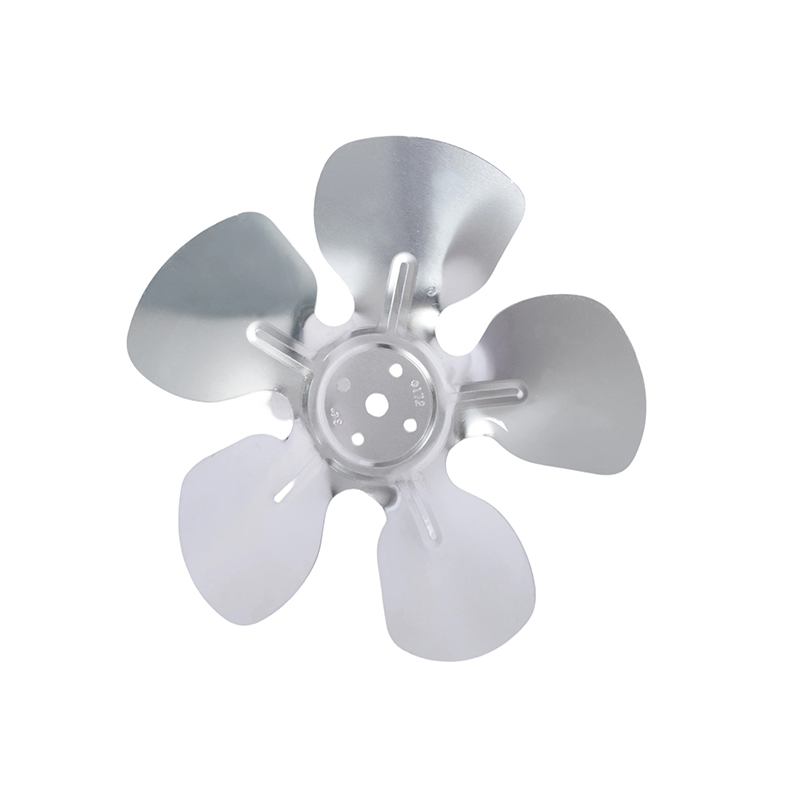
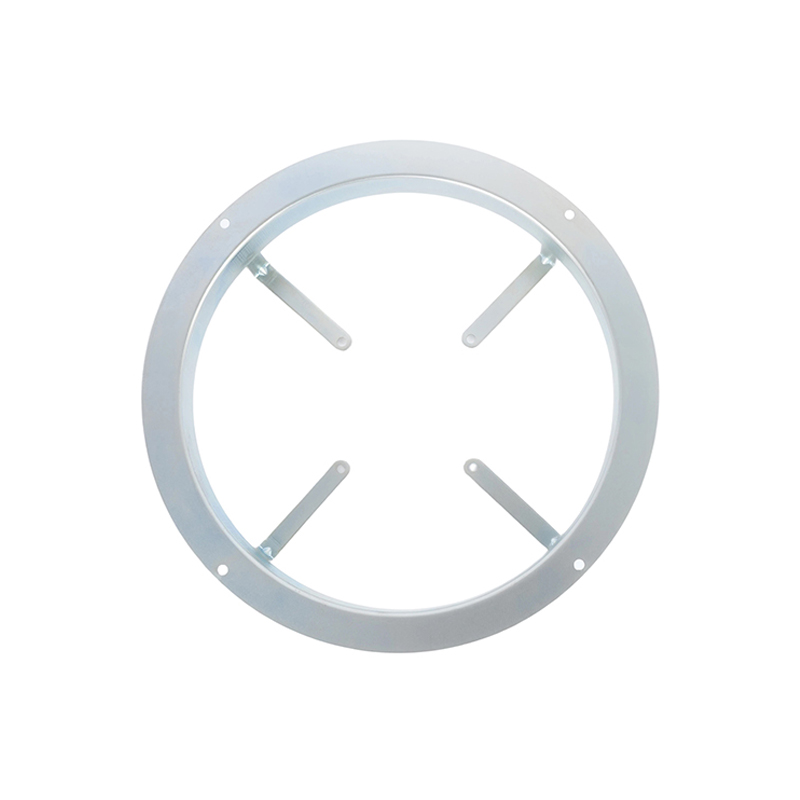
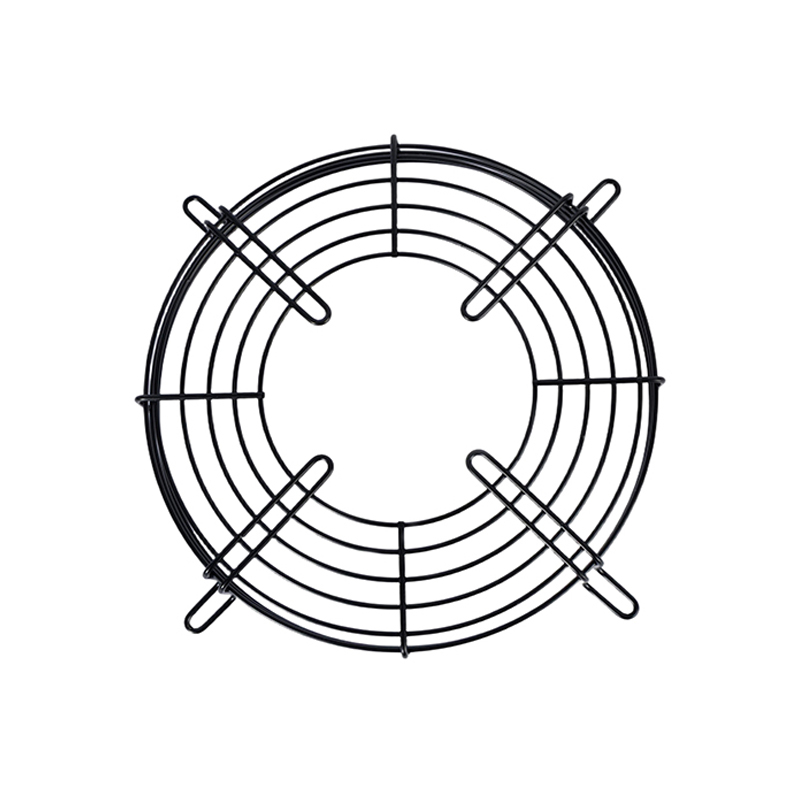
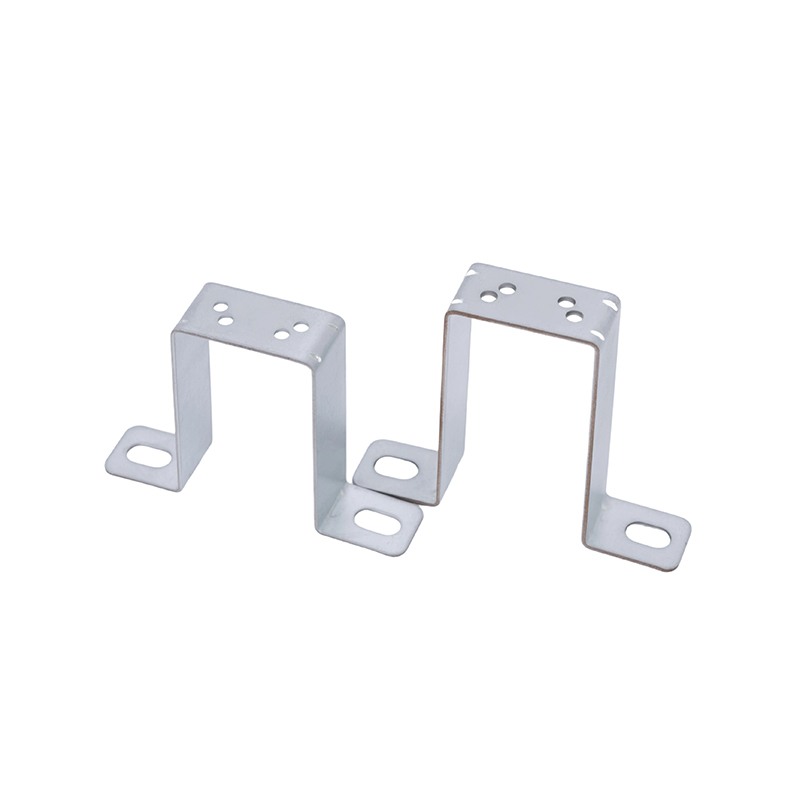
READ MOREYZF series motor components are the supporting parts built for YZF shaded pole motors and similar motor assemblies. The range covers fan blades, flanges, mesh enclosures and support brackets. These parts handle cooling, mounting, protection and structural support inside the motor.
Our customers are mainly motor manufacturers, equipment makers and B2B buyers. They need dependable parts for volume assembly lines or for replacing worn components. If your motor model or application calls for something specific, we can adjust the dimensions, mounting structure and component configuration to match.
Hangzhou Fengyin Motor Manufacturing Co., Ltd. was founded in 2007 and specializes in the R&D and production of single-phase shaded-pole induction motors, single-phase capacitor asynchronous motors, 110V/220V dual-voltage motors, Fan Motor Accessories and DC brushless motors. Our products are trusted by manufacturers of commercial refrigerators, household appliances, kitchen and bathroom equipment, and medical devices worldwide.
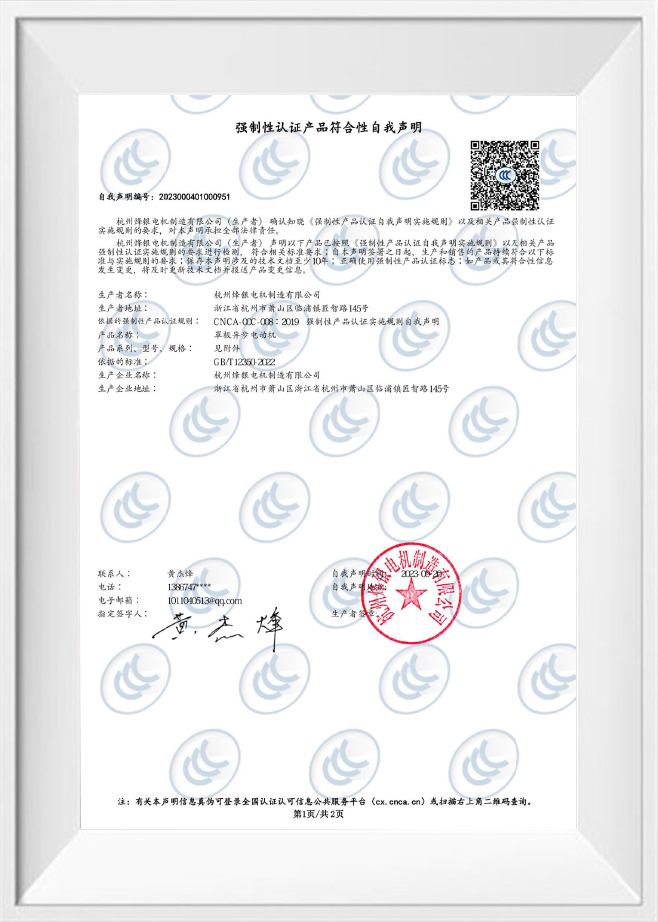
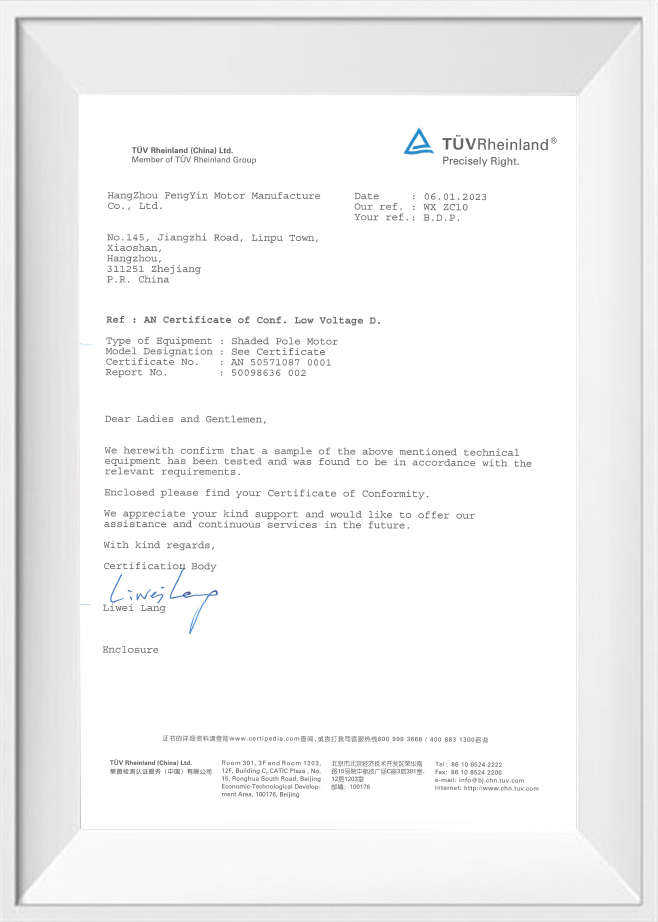
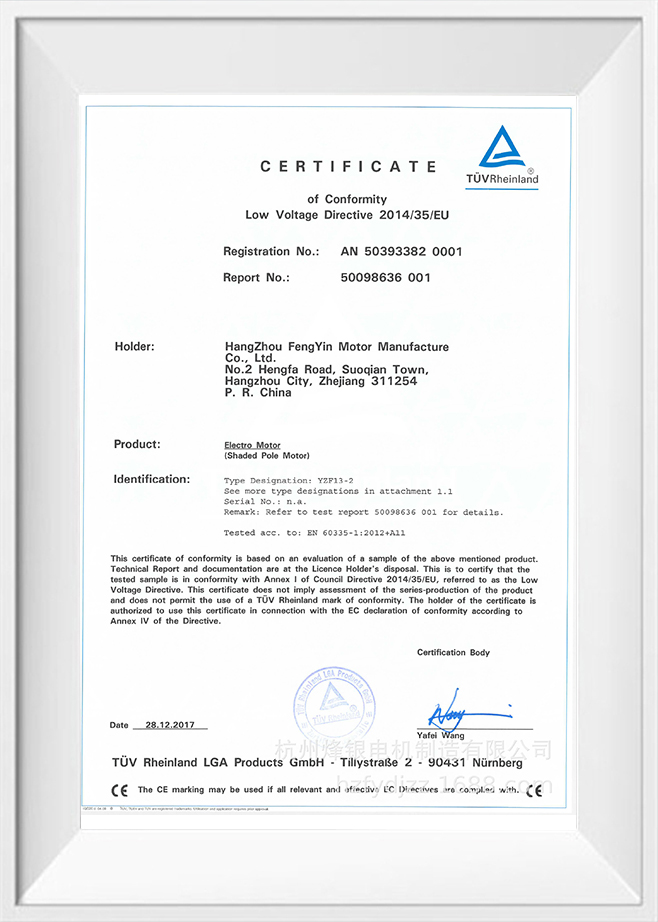
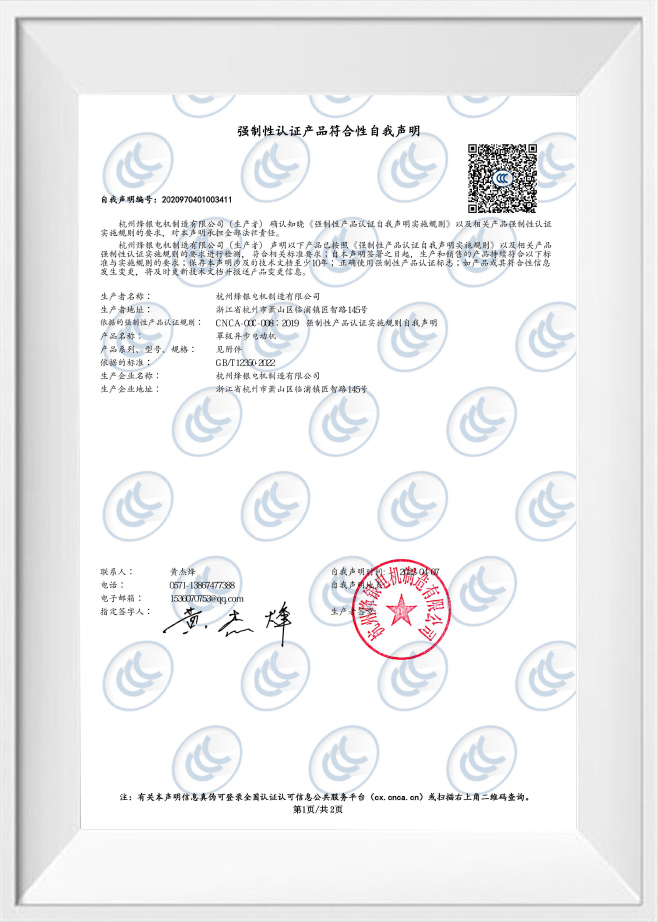
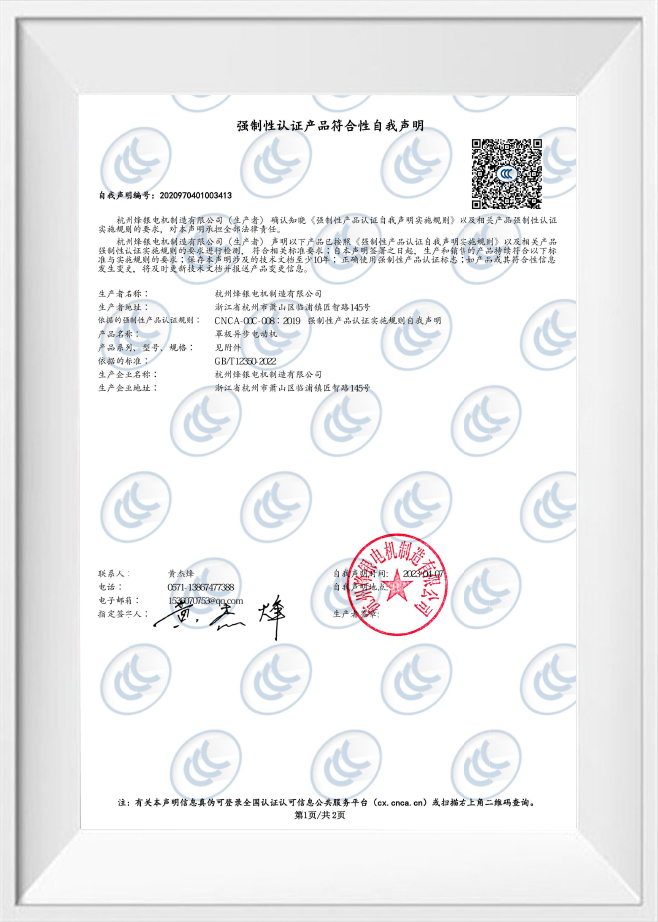
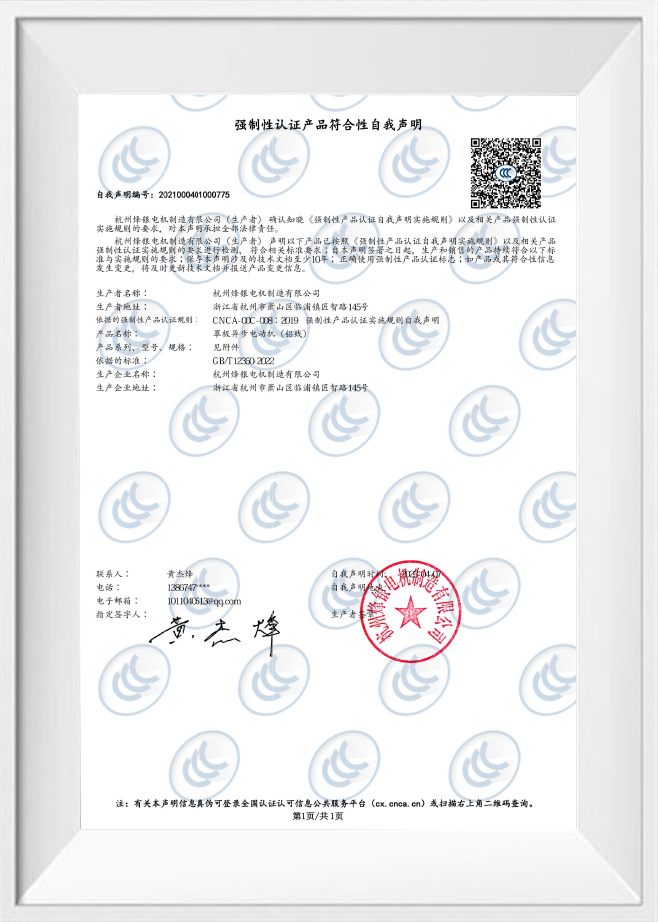
With multiple automated production lines and comprehensive testing facilities, our annual production capacity reaches 4 million micro motors. We operate strictly in accordance with the ISO9001 quality system, and our products are certified with CCC and CE — ensuring seamless access to the European and Chinese markets.
As a professional Electric Motor Components wholesaler , we don't just make motors. We build long-term partnerships by understanding your industry’s unique challenges — from -30°C cold chain to hospital-grade quiet operation, from high-heat ovens to moisture-rich environments. Tell us your application. We‘ll find the right motor for it.
Industry Insights | October 23, 2026 | Fengyin Motor Introduction In commercial refrigeration equipment, maintaining effective heat dissipation is essential for stable cooling performance. While compr...
READ MOREThe refrigeration industry in South America has been continuously developing, driven by increasing demand for household appliances, commercial refrigeration equipment, supermarkets, restaurants, and f...
READ MOREAs the refrigeration and ventilation industries continue to evolve, motor selection remains a critical consideration for equipment manufacturers. Shaded pole motors, known for their simple constructio...
READ MOREIn the bustling aisles of supermarkets, the quiet corners of cold storage warehouses, and the vital networks of pharmaceutical logistics, there's a small but critical component working tirelessly behi...
READ MORERecently, the situation in the Iranian region has continued to escalate. The intensified military conflict and geopolitical uncertainty have had a wide-ranging impact on global supply chains, internat...
READ MOREIn the cold chain industry, where uninterrupted temperature control and operational reliability are critical, the motor—the "heart" of refrigeration equipment—plays a decisive role in system performan...
READ MOREJust recently, the United States and Israel launched joint airstrikes against key Iranian energy facilities, targeting the South Pars gas field and the Al-Salouya petrochemical facility. Iran immediat...
READ MOREA fan motor only performs well when everything around it fits. The blades, brackets, grilles and other parts have to match both the motor and the equipment it sits in. When they do, the fan runs steadily, moves the right amount of air and goes together without trouble. YZF series components are used in refrigeration systems and fan equipment, where part dimensions, mounting structures and working conditions all need a close look. Knowing what each part does and how to choose it makes decisions easier for equipment manufacturers and technical teams.
YZF series motor components are the parts that go with compatible fan motors. They handle installation, airflow, mechanical stability and the day-to-day running of the equipment. Depending on the motor design and the application, the set may include fan blades, mounting brackets, protective grilles, mounting rings and other structural accessories.
YZF series motors are most often found in ventilation and refrigeration equipment. Which components you need depends on the motor model, the equipment design and the operating conditions.
Each part in a fan motor assembly has its own job.
Fan Blades: The blades push air as the motor turns. Diameter, shape, pitch and material shape the airflow and noise. They also set how much load the motor carries.
Mounting Brackets: Brackets keep the motor where it belongs. Their size and fixing points must line up with the equipment structure and the motor housing.
Protective Grilles: A grille cuts the chance of anyone touching the spinning blades. It needs to give enough protection and still let air through.
Mounting Rings: Where the equipment design calls for them, rings help position and install the assembly. Their shape and size follow the assembly structure.
Other Motor Accessories: Depending on the motor configuration, you may also see fixing plates, spacers, covers and connection parts.
The parts of a fan motor assembly depend on each other. The motor produces rotation, and the blade turns that rotation into airflow. Mounting parts hold everything in place, and the protective structures cover mechanical safety.
A blade that is too large or too heavy, or that doesn't suit the motor's operating characteristics, can overload the motor. Wrong mounting dimensions cause their own problems: hard installation, vibration and extra noise.
That is why Fan Motor Components should be judged as part of the whole assembly, not one by one.
Depending on the model and design requirements, YZF series motors and their matching accessories can be used in many kinds of refrigeration and fan equipment.
Common application areas include:
Before choosing related components, check the motor's electrical characteristics, mounting dimensions and operating environment.
A part that physically fits is not necessarily the right part. Electrical compatibility, mechanical dimensions, material properties and operating conditions all affect how the finished system behaves.
Begin with the motor model and its technical specifications. The main points to review are:
These details set the basic requirements for compatible parts. A component made for one motor configuration may not fit another, even within the same series.
Blade choice influences airflow, noise and motor load, so weigh the following together.
Brackets, rings and grilles need to match the mechanical design of the equipment.
Before selecting them, check:
Small dimensional differences can stop an assembly from going together or cause mechanical interference. For custom parts, technical drawings with clearly marked dimensions and tolerances help avoid misunderstandings in production.
Material affects weight, durability, manufacturing method and how well a part suits its environment.
| Engineering plastics | Lightweight, suited to many molded shapes | Check temperature limits, stiffness and long-term dimensional stability |
| Carbon steel | Gives structural strength for many mounting uses | Consider corrosion protection and environmental exposure |
| Stainless steel | Corrosion resistant in suitable grades | Check grade, strength requirements and operating conditions |
| Aluminum alloys | Fairly light, with useful structural properties | Consider mechanical loads, wall thickness and connection design |
In the end, how a component performs depends on its material grade, design, manufacturing quality and working environment. Choose material by application requirements, not by the material name alone.
Refrigeration systems and fan assemblies differ in the dimensions, mounting arrangements and material specifications they need. Standard parts work for established equipment designs. Custom parts come in when the installation space or connection structure doesn't match a standard configuration.
For refrigeration and ventilation equipment makers, the main task is matching each component to the motor and to the finished assembly.
Refrigerator and freezer fan assemblies
Where space is tight, compact dimensions and suitable mounting structures matter. The blades must fit the space and still meet the equipment's airflow needs.
Evaporator fan assemblies
Pay attention to blade dimensions, airflow paths, operating temperatures and the surrounding structure. Check component compatibility against the specific evaporator design.
Condenser fan assemblies
Condeners may need different airflow characteristics and mechanical arrangements. When choosing blades, take into account motor capability, airflow resistance, operating temperature and available clearance.
Other fan equipment
Specialized fan assemblies may use different brackets, protective structures or fixing parts. Drawings and model-specific specifications help settle the right configuration.
Requirements vary between these applications, so don't treat components as interchangeable until you've checked their dimensions and operating suitability.
Custom work begins with knowing exactly where the part will be used. Before production starts, put the technical requirements on paper and go over them.
The information to collect:
Once these details are available, the design can be reviewed for two things: whether it can be manufactured, and whether it fits the equipment it is meant for.
New parts should go through sample inspection and a trial assembly. This finds dimensional conflicts before mass production begins. When the project calls for it, a functional test can run the finished fan system under defined operating conditions.
Fengyin builds electric motors and the parts that go with them. If you are checking YZF Series Motor Components for refrigeration or fan equipment, gather four things first: the motor model, the component drawings, the mounting dimensions and the material requirements. With those in hand, compatibility is easy to judge.
For standard parts, begin with the original specifications and confirm them. For custom designs, go through the drawings and test a sample on the actual assembly. That is the surest way to catch problems specific to your application.
Picking the right Fan Motor Components comes down to three things: the motor, the mechanical structure and the working environment. Look at them together, and equipment manufacturers can choose parts that suit their designs and the conditions the equipment runs in. If your project depends on a particular model, check Fengyin's product information and confirm the technical details before you fix the component specification.


steve.yu@hzfymotor.cn

+86-19967337477

No. 145 Jiangzhi Road, Linpu Town, Xiaoshan District, Hangzhou City, Zhejiang Province, China
