 English
 中文简体
中文简体 Español
 عربى
عربىIndustry News
Home / News / Industry News / Shaded Pole Motor Trends in 2026: Applications, Challenges, and Opportunities in Refrigeration and Ventilation
As the refrigeration and ventilation industries continue to evolve, motor selection remains a critical consideration for equipment manufacturers. Shaded pole motors, known for their simple construction and cost-effective design, continue to serve selected low-power applications.
From commercial cooling equipment to compact ventilation systems, manufacturers must balance initial cost, operating efficiency, mechanical compatibility, and long-term performance when selecting motors.
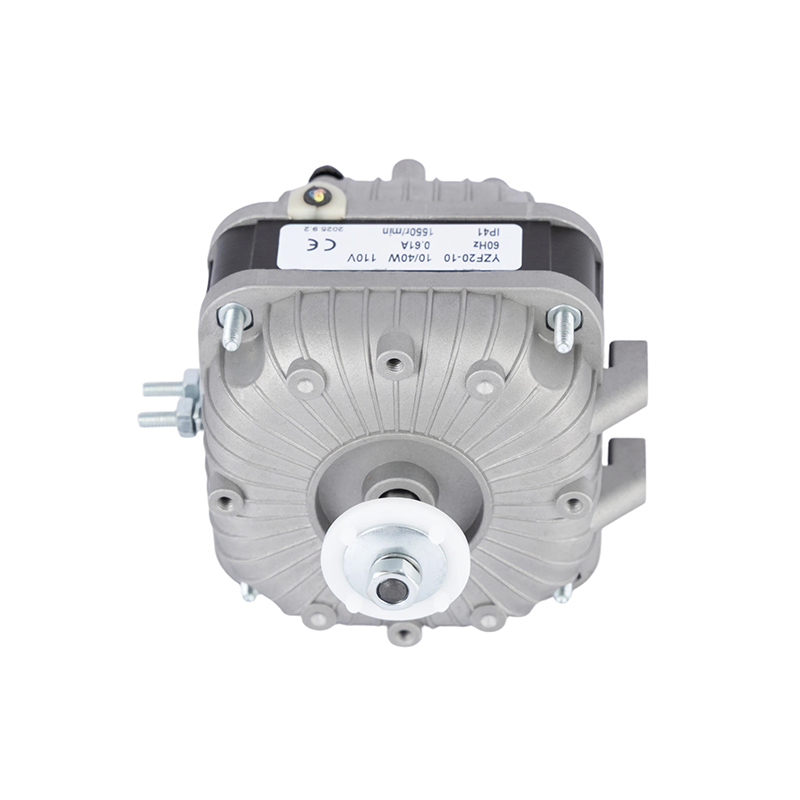
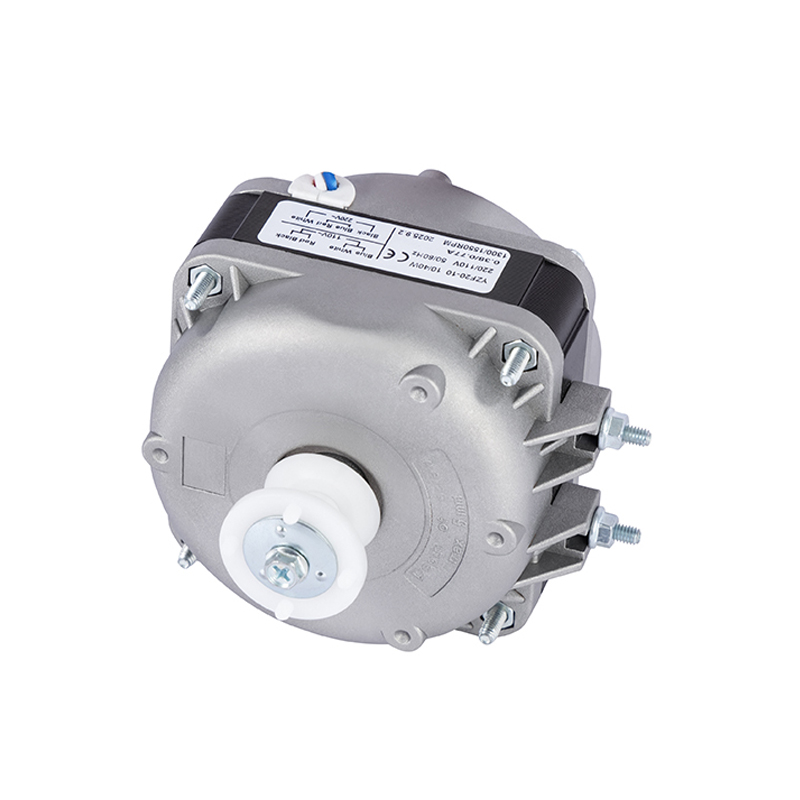
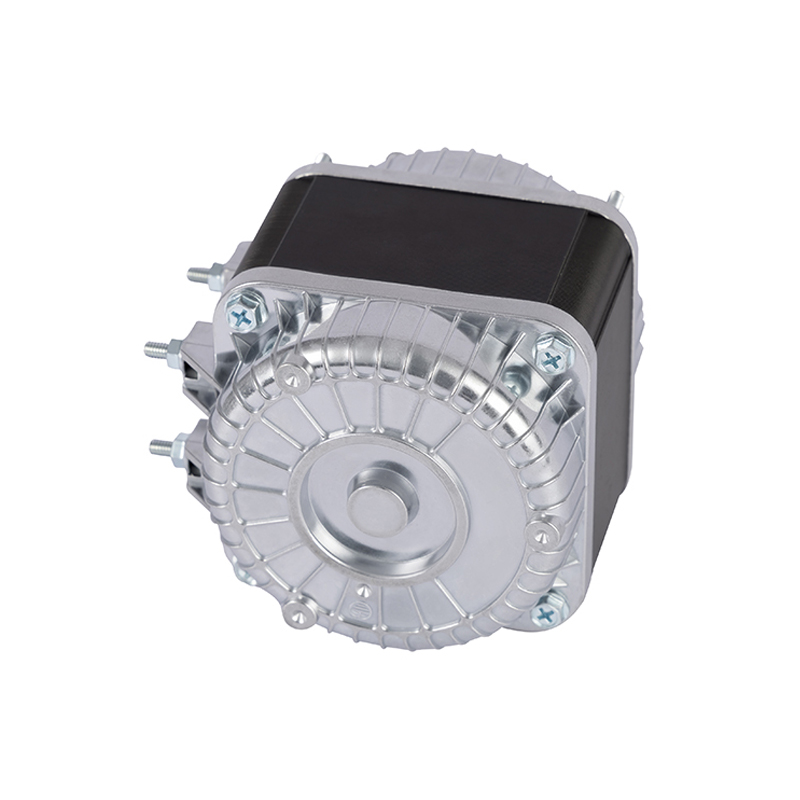
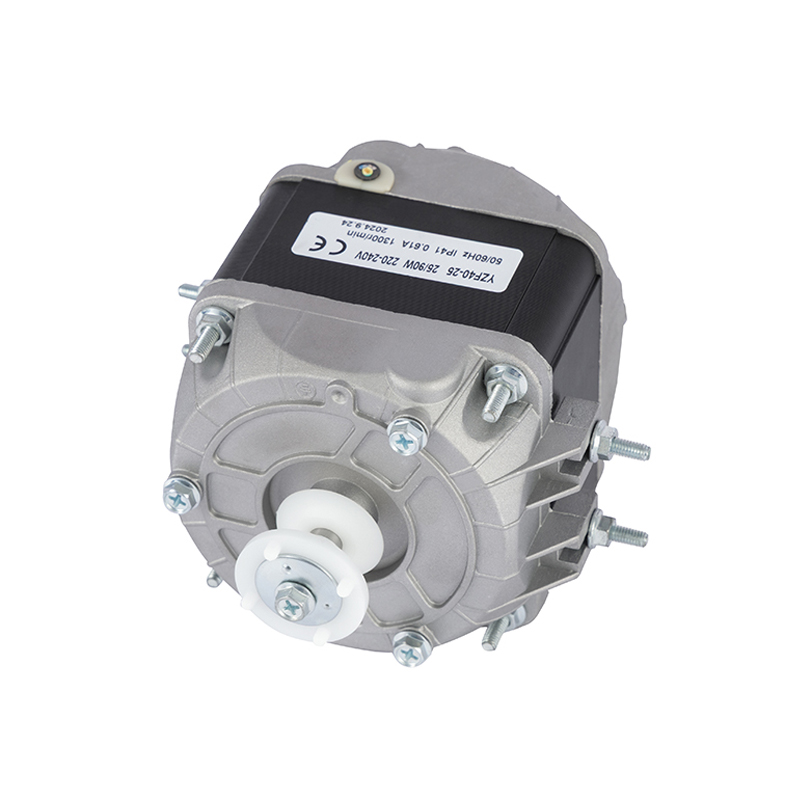
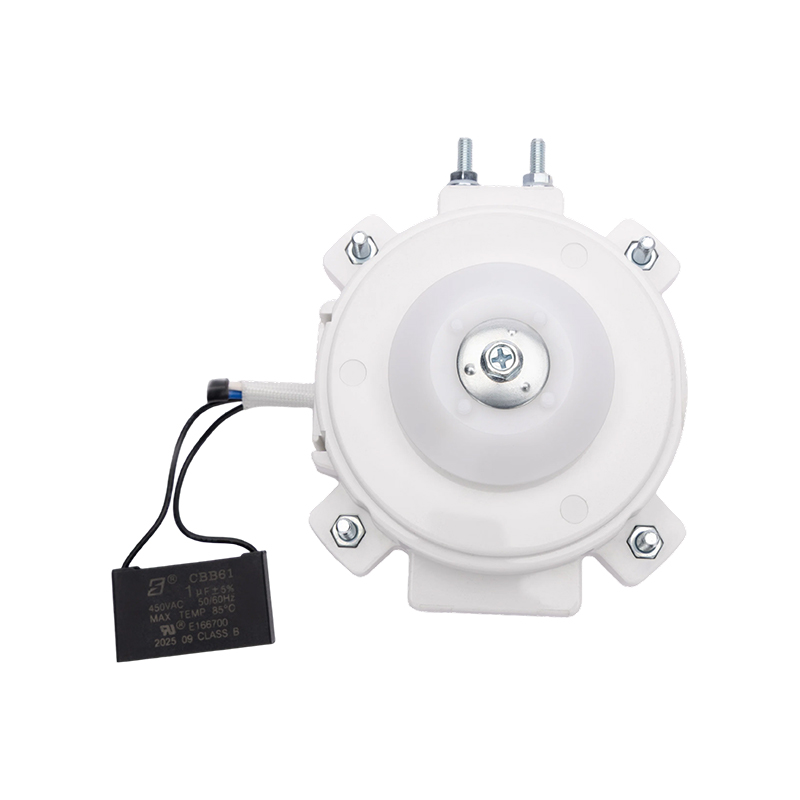
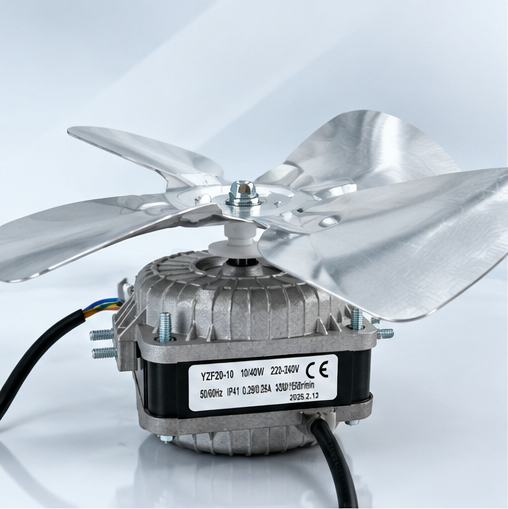
A shaded pole motor is a type of single-phase AC induction motor. Its design uses a copper shading ring to create a phase shift in part of the magnetic field, producing the starting torque required for rotation.
Unlike many other motor designs, a conventional shaded pole motor does not require a starting capacitor or centrifugal starting switch.
Its main characteristics include:
Simple construction with relatively few components
Economical manufacturing and initial purchase cost
Suitability for small fans and low-starting-torque applications
Straightforward integration into compact equipment
Limited starting torque and relatively low energy efficiency compared with many alternative motor technologies
For manufacturers developing compact airflow systems, these characteristics make shaded pole motors worth considering when the technical requirements are appropriate.
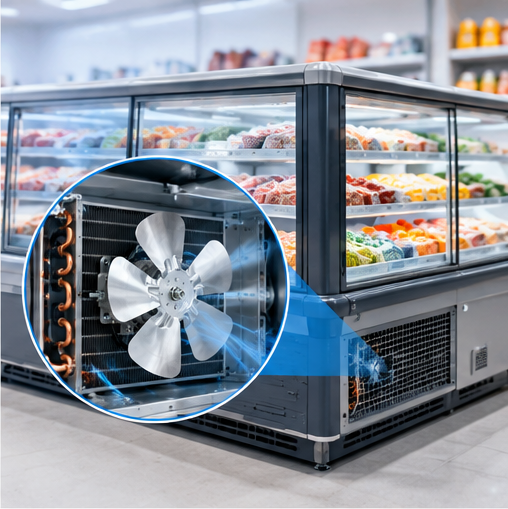
Commercial refrigeration systems rely on airflow to support heat transfer and maintain operating conditions. Small fan motors can be used in selected condenser cooling assemblies and other ventilation functions, depending on the equipment design and applicable standards.
Typical application environments include:
Beverage display coolers
Commercial refrigeration cabinets
Compact condenser cooling fans
Refrigerated vending equipment
Small cooling and air-circulation assemblies
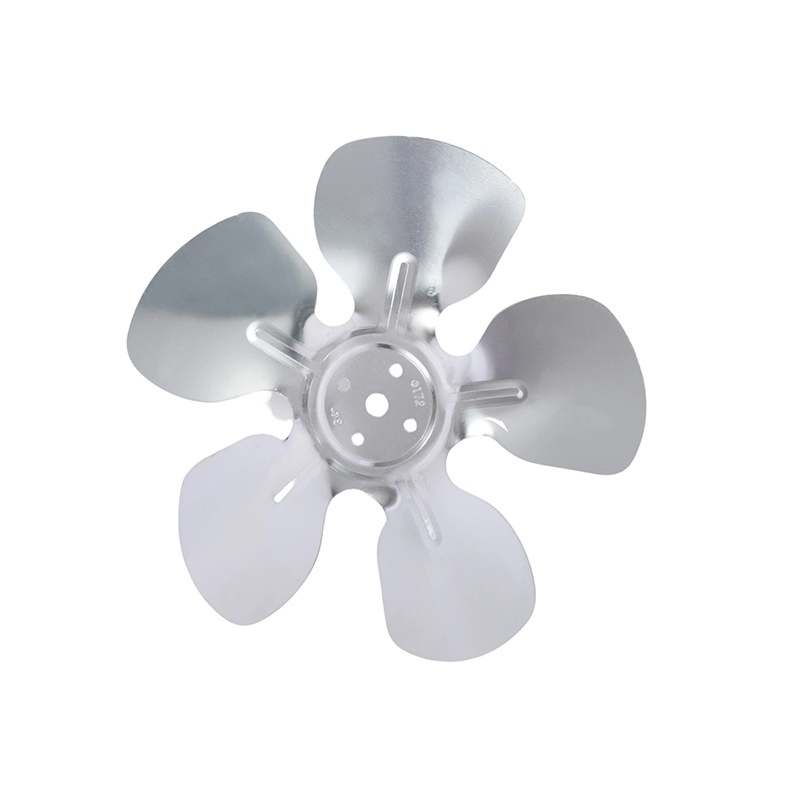
Motor selection in these applications requires attention to environmental temperature, fan blade dimensions, shaft design, electrical ratings, and continuous-duty requirements.
As equipment becomes more energy-conscious, manufacturers are also evaluating electronically commutated motors (ECMs) and other high-efficiency alternatives, especially for equipment running for long periods.
This creates a more application-specific market: shaded pole motors remain relevant for suitable cost-sensitive designs, while higher-efficiency technologies may be better for demanding energy-performance targets.
Energy efficiency is an increasingly important factor in refrigeration equipment design.
Regulatory developments and industry engineering practices are encouraging manufacturers to evaluate how motors contribute to overall equipment energy consumption.
For example, the U.S. Department of Energy's commercial refrigeration standards and engineering analyses demonstrate the importance of motor and fan-system design in equipment efficiency assessments.
However, efficiency is not the only purchasing factor. OEM manufacturers must also evaluate motor dimensions, supply voltage, operating duty, heat dissipation, reliability, and total ownership cost.
A successful motor selection process therefore involves matching the motor technology to the actual application rather than selecting a product solely on its initial purchase price.
Beyond refrigeration, shaded pole motors are used in selected small ventilation and air-moving devices.
These applications may include compact exhaust fans, small blowers, equipment ventilation assemblies, and certain household or light-commercial appliances.
For equipment engineers, three considerations are particularly important:
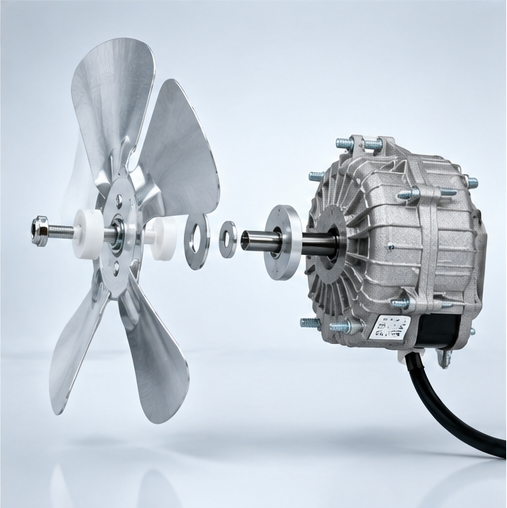
Mechanical compatibility: Shaft diameter, shaft length, mounting dimensions, and fan-blade attachment must be compatible with the equipment.
Electrical requirements: The motor must match the intended voltage, frequency, power requirements, and operating conditions.
Thermal performance: Temperature rise, insulation requirements, ventilation conditions, and duty cycle must be verified for each application.
Proper matching contributes to more predictable operation and can reduce unnecessary redesign work during product development.
For international buyers, choosing a motor supplier involves more than comparing technical specifications.
OEM customization and manufacturing coordination can influence product development, production consistency, and delivery planning.
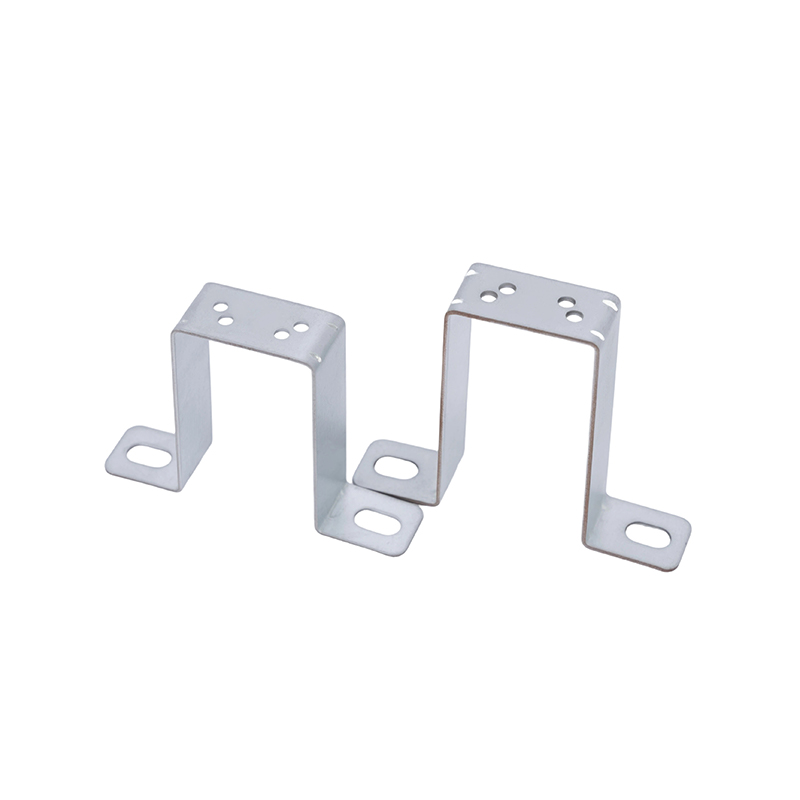
Important customization considerations include shaft dimensions, mounting brackets, winding specifications, electrical connections, and other application-specific requirements.
Buyers should provide clear drawings, operating conditions, required quantities, and performance expectations when requesting quotations or samples.
Early technical communication helps ensure that the motor design meets the final equipment's needs.
In 2026, the shaded pole motor market faces a balance between established advantages and changing equipment requirements.
Simple construction and low initial cost support continued use in appropriate applications. At the same time, energy-efficiency expectations and technological alternatives are pushing manufacturers to make more careful design decisions.
Future opportunities for shaded pole motor suppliers will depend on application-focused engineering, product consistency, customization capabilities, and effective cooperation with equipment manufacturers.
For OEM buyers, the central question is not whether one motor technology is universally better, but which design offers the best fit for a particular product.
Hangzhou Fengyin Motor Manufacturing Co., Ltd. is a China-based motor manufacturer focused on motor solutions for international equipment applications.
For buyers sourcing shaded pole motors for refrigeration fans, ventilation equipment, and other compatible applications, Fengyin welcomes discussions about technical requirements, product specifications, and OEM cooperation.
Whether you are developing a new cooling product or evaluating motor options for an existing assembly, sharing your technical specifications is the first step toward finding a suitable solution.
Contact Fengyin Motor to discuss your shaded pole motor requirements and OEM sourcing needs.


steve.yu@hzfymotor.cn

+86-19967337477

No. 145 Jiangzhi Road, Linpu Town, Xiaoshan District, Hangzhou City, Zhejiang Province, China