
 English
 中文简体
 Español
 عربى
Industry Insights | October 23, 2026 | Fengyin Motor Introduction In commercial refrigeration equipment, maintaining effective heat dissipation is essential for stable cooling performance. While compr...
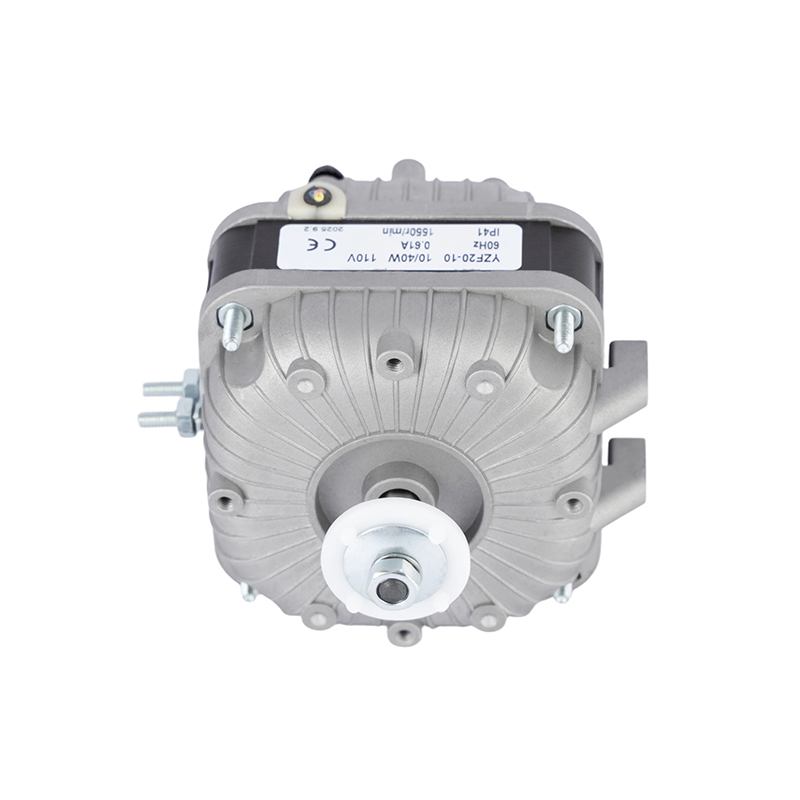
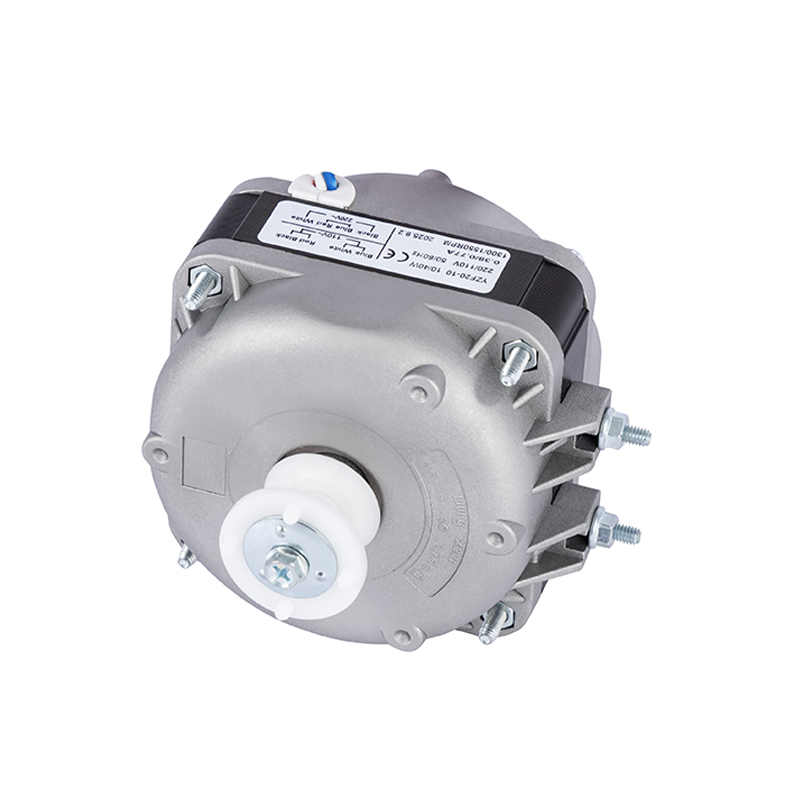
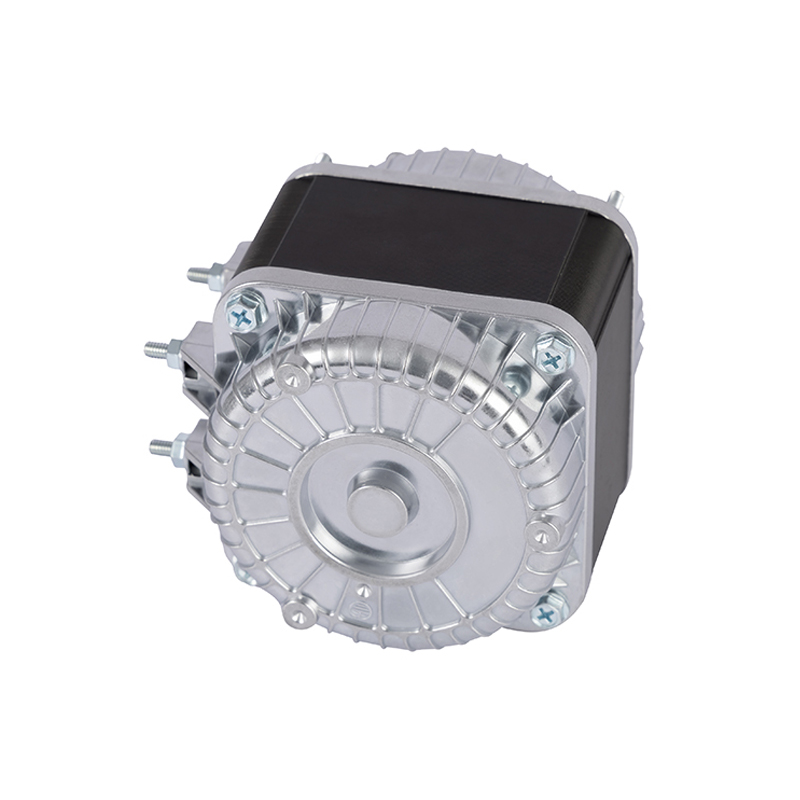
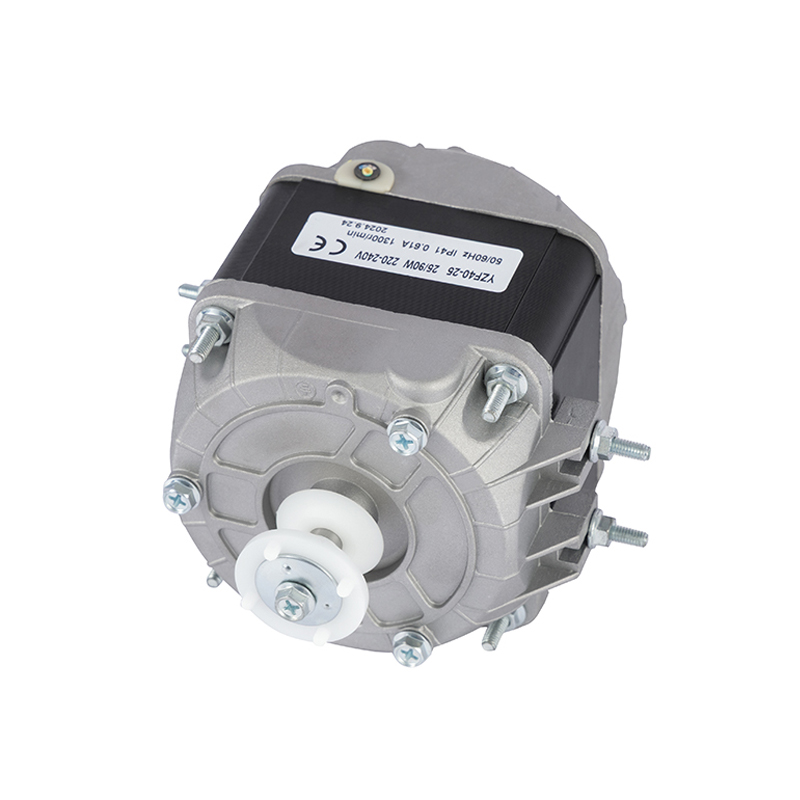
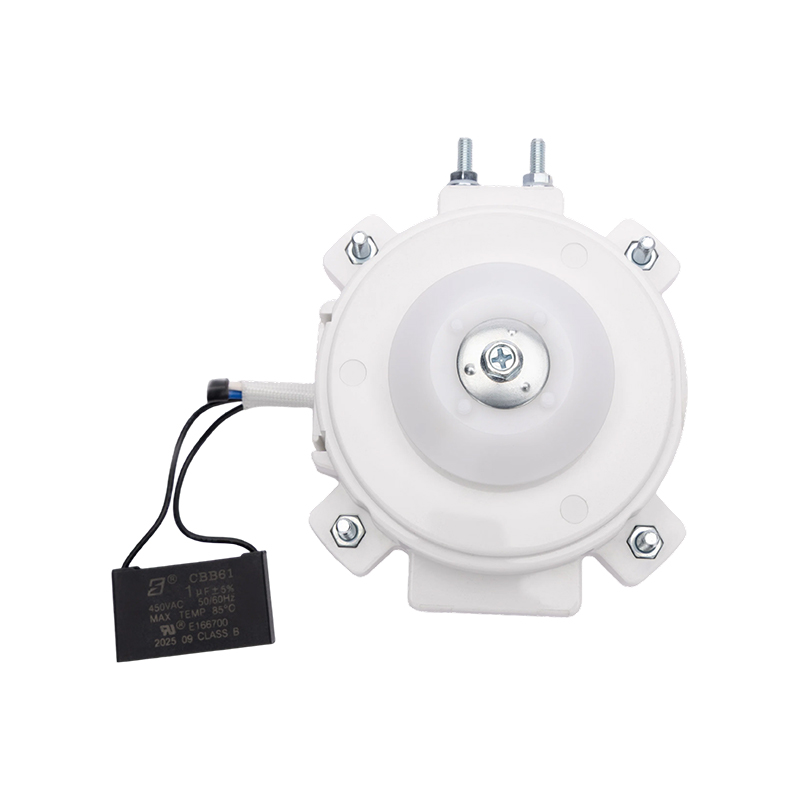
READ MOREYZF Series Asynchronous Motor is a range of compact single-phase asynchronous motors designed for continuous and reliable operation in ventilation, refrigeration, cooling, and other light-duty equipment. The series includes Shaded Pole Motors and Plastic Encapsulated Motors, with different motor structures and configurations available for OEM equipment integration.
These YZF asynchronous motors are commonly used in refrigerators, freezers, condenser units, evaporators, air conditioners, ventilation equipment, cooling fans, and other appliances that require compact and dependable motor solutions. Different winding materials, power ratings, speeds, mounting configurations, and electrical specifications can be selected according to equipment requirements.
As a motor manufacturer, we provide OEM and customized YZF motor solutions for equipment manufacturers, distributors, and industrial buyers.
Hangzhou Fengyin Motor Manufacturing Co., Ltd. was founded in 2007 and specializes in the R&D and production of single-phase shaded-pole induction motors, single-phase capacitor asynchronous motors, 110V/220V dual-voltage motors, OEM Shaded Pole Asynchronous Motor and DC brushless motors. Our products are trusted by manufacturers of commercial refrigerators, household appliances, kitchen and bathroom equipment, and medical devices worldwide.
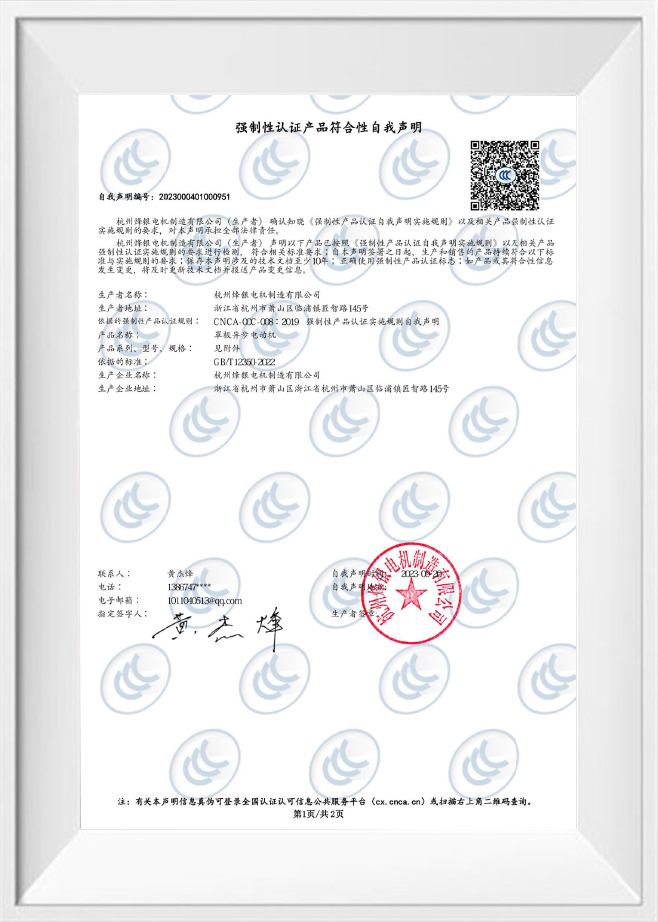
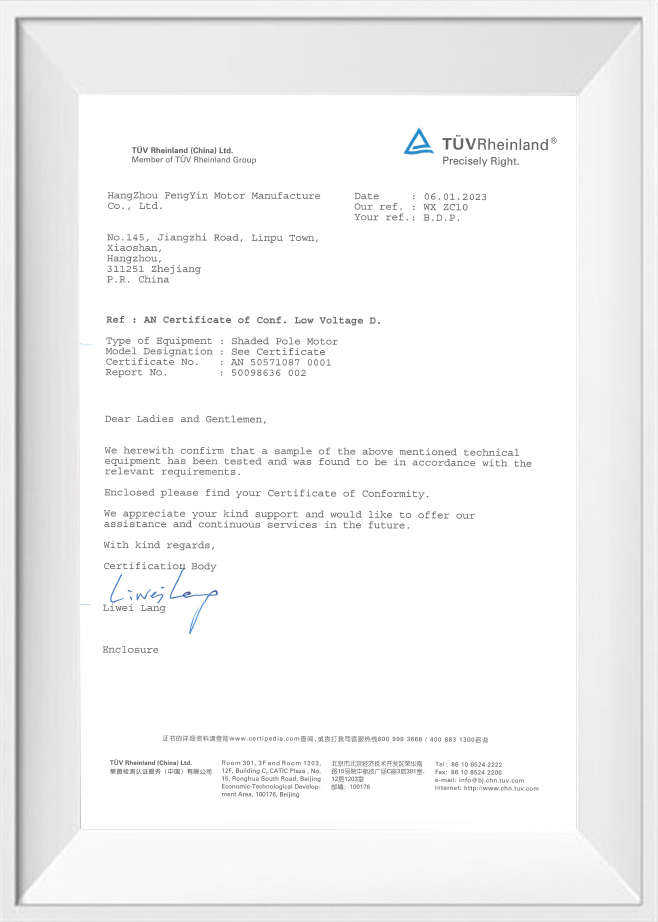
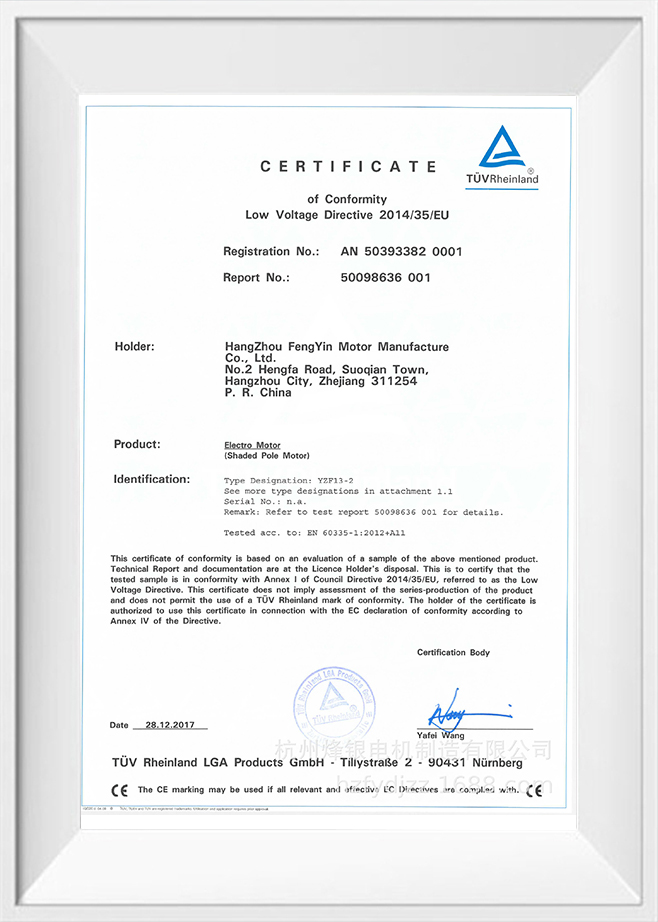
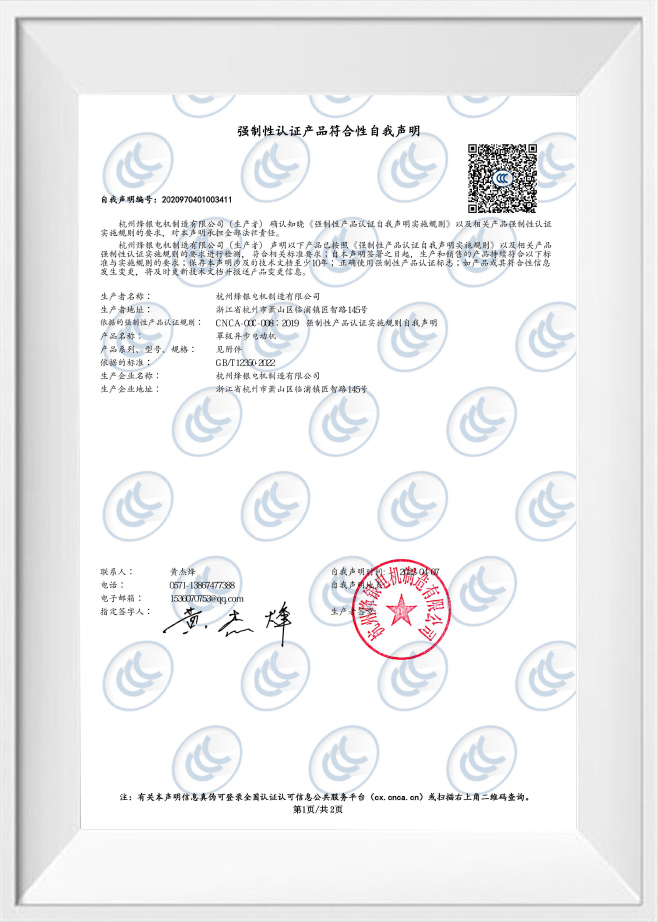
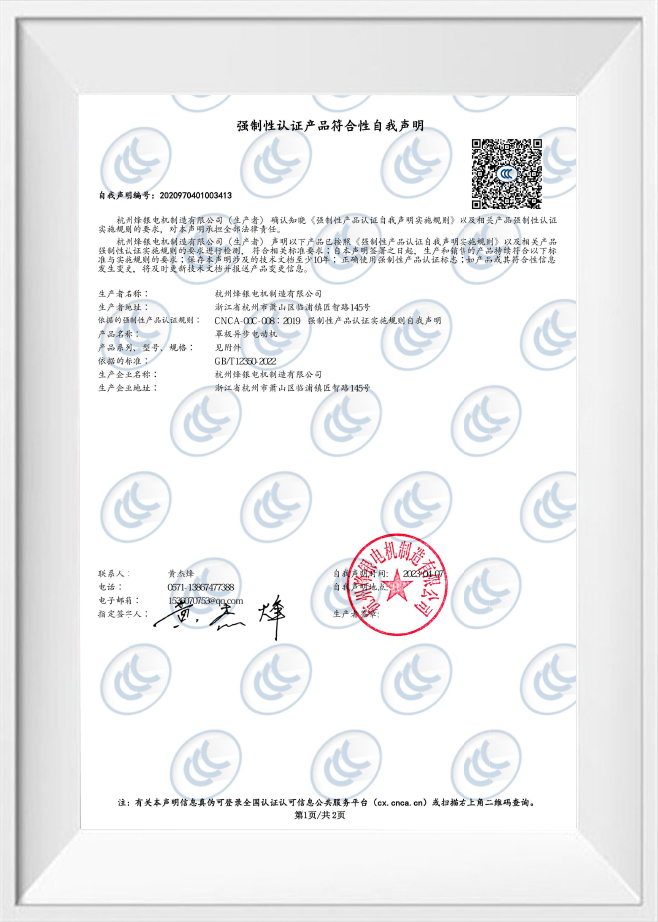
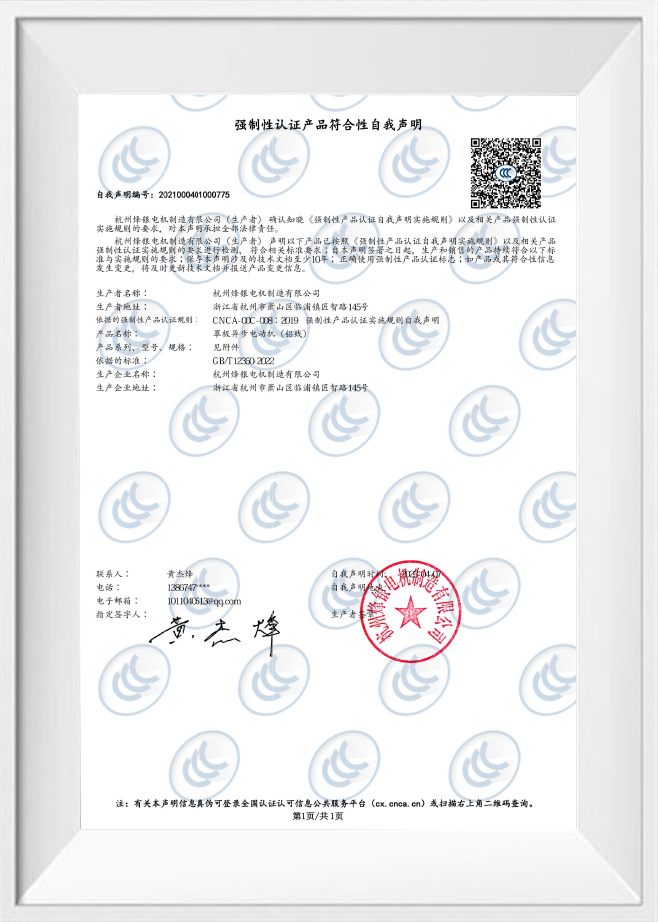
With multiple automated production lines and comprehensive testing facilities, our annual production capacity reaches 4 million micro motors. We operate strictly in accordance with the ISO9001 quality system, and our products are certified with CCC and CE — ensuring seamless access to the European and Chinese markets.
As a professional Single Phase Asynchronous Motor Factory , we don't just make motors. We build long-term partnerships by understanding your industry’s unique challenges — from -30°C cold chain to hospital-grade quiet operation, from high-heat ovens to moisture-rich environments. Tell us your application. We‘ll find the right motor for it.
Industry Insights | October 23, 2026 | Fengyin Motor Introduction In commercial refrigeration equipment, maintaining effective heat dissipation is essential for stable cooling performance. While compr...
READ MOREThe refrigeration industry in South America has been continuously developing, driven by increasing demand for household appliances, commercial refrigeration equipment, supermarkets, restaurants, and f...
READ MOREAs the refrigeration and ventilation industries continue to evolve, motor selection remains a critical consideration for equipment manufacturers. Shaded pole motors, known for their simple constructio...
READ MOREIn the bustling aisles of supermarkets, the quiet corners of cold storage warehouses, and the vital networks of pharmaceutical logistics, there's a small but critical component working tirelessly behi...
READ MORERecently, the situation in the Iranian region has continued to escalate. The intensified military conflict and geopolitical uncertainty have had a wide-ranging impact on global supply chains, internat...
READ MOREIn the cold chain industry, where uninterrupted temperature control and operational reliability are critical, the motor—the "heart" of refrigeration equipment—plays a decisive role in system performan...
READ MOREJust recently, the United States and Israel launched joint airstrikes against key Iranian energy facilities, targeting the South Pars gas field and the Al-Salouya petrochemical facility. Iran immediat...
READ MOREIn cooling and airflow equipment, the motor does more than supply power. It affects how well the unit installs, how steadily it runs, how much heat it builds up and how long it lasts. That is why the YZF Series Asynchronous Motor is common in refrigeration units, condenser systems, evaporator fan assemblies, ventilation equipment and air circulation devices. As an asynchronous electric motor, the YZF series is built for compact structures, steady running and continuous duty in many real working environments. Once you know how this motor works, where it is used and which parameters matter when choosing one, it is much easier to match it to the equipment.
The YZF Series Asynchronous Motor is a fan motor category used in cooling, ventilation and refrigeration systems. It belongs to the asynchronous motor family, which runs on electromagnetic induction. The rotor does not need a direct electrical connection to the stator field.
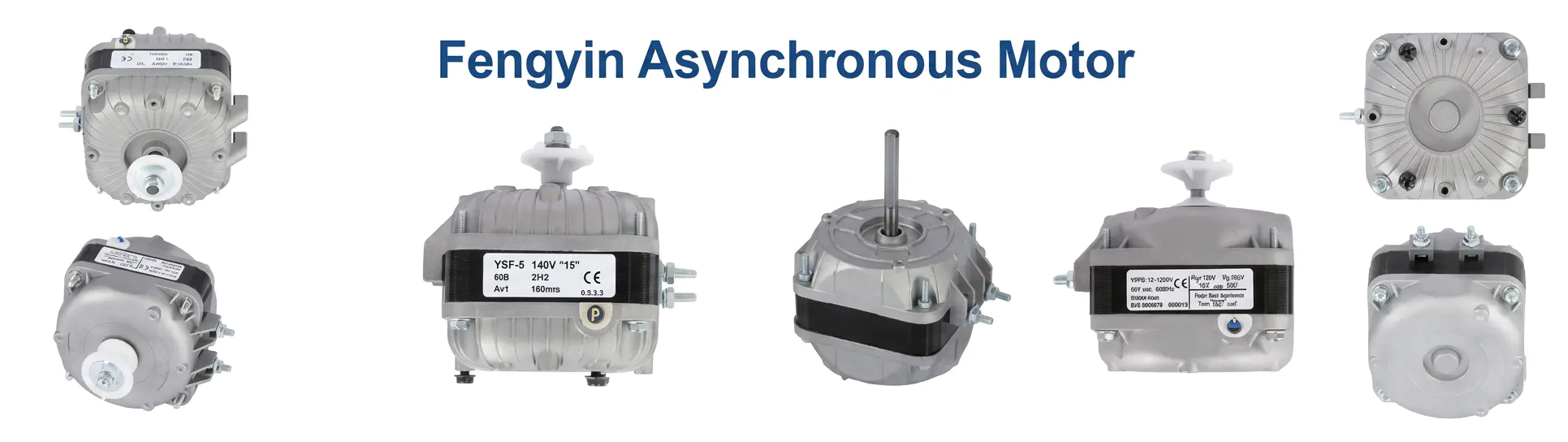
In practice, YZF motors are usually paired with fan blades in condenser units, evaporator systems, display coolers, ventilation assemblies and similar equipment where controlled airflow is essential.
Typical features of this series:
These traits explain why the series shows up so often in equipment that relies on dependable air movement and heat exchange.
A Shaded Pole Asynchronous Motor has a short-circuited copper shading ring on part of each stator pole. Current induced in the ring makes the flux in the shaded section lag behind the flux in the unshaded section. The result is a sweeping magnetic field, and that field produces the starting torque.
A conventional shaded pole design needs no separate starting capacitor. It does have limits: starting torque is fairly low, and efficiency is below that of many other motor designs. So the motor has to be matched to a suitable load.
For refrigeration fans and small ventilation equipment, a shaded pole motor can be the right choice when the required torque, speed, power consumption and space all fit its design. If the application has a demanding starting load or strict energy targets, another motor type may be needed.
The YZF Series Asynchronous Motor runs on electromagnetic induction.
Alternating current in the stator winding creates a rotating or phase-shifted magnetic field. That field induces current in the rotor. The stator field and the induced rotor current then interact to produce torque. The rotor turns and drives the fan blade or airflow component attached to it.
In many fan motor setups, the YZF series is chosen for its mix of compact size, steady running and compatibility with airflow-driven systems. Depending on the model, the design may also draw on shaded pole asynchronous motor structures, which are used in smaller or lighter-load applications.
This working principle supports several useful traits:
Where the job is controlled airflow rather than heavy mechanical drive, this asynchronous electric motor design is especially useful.
The YZF Series Asynchronous Motor is widely used where airflow management matters for temperature control, heat exchange or ventilation performance.
Common application areas
Why the YZF series fits these systems
These applications ask a motor to run for long periods at a steady speed with consistent fan performance. Space limits, mounting requirements and the environment often shape the choice as well.
The YZF series is common in these settings because it supports:
That makes the series especially relevant to refrigeration, cooling and ventilation systems.
The functional characteristics below show what role the YZF Series Asynchronous Motor plays in airflow equipment.
The series is known for:
The motor alone does not decide real-world performance. These factors also count:
So the same type of asynchronous motor can perform differently depending on equipment layout and operating environment.
Picking an asynchronous electric motor for a cooling or ventilation system means weighing both electrical and mechanical requirements.
For a YZF Series Asynchronous Motor, review these parameters carefully:
A motor in a refrigerated display cabinet faces different conditions from one in a condenser unit exposed to outdoor temperature swings. Two motors with similar power ratings may still need different design details once the application is considered.
A sound selection process therefore looks at the whole operating environment, not a single specification.
Comparing the YZF Series Asynchronous Motor with other motor types shows where it sits in airflow system design.
| Motor Type | Typical Use | Typical Advantage | Typical Consideration |
| YZF Series Asynchronous Motor | Ventilation, refrigeration, fan systems | Suits airflow equipment and continuous operation | Match to blade load and environment |
| Shaded Pole Asynchronous Motor | Small fans and compact devices | Simple structure | Lower starting torque |
| PSC Fan Motor | Fan systems with broader load requirements | Smoother running | More complex electrical structure |
| EC Fan Motor | Systems needing speed control and efficiency optimization | Advanced control capability | Different system integration needs |
The YZF series sits between basic compact fan motors and more advanced electronically controlled systems. Its strength is practical compatibility with many conventional refrigeration and ventilation applications.
A correctly chosen motor still depends on its operating conditions for long-term reliability.
If the motor overheats, makes noise, runs at an unstable speed or delivers less airflow, the cause may be:
In refrigeration and ventilation systems, preventive maintenance keeps airflow consistent and cuts the risk of unplanned downtime.
These short answers cover the questions buyers ask most often.
In condensers, evaporators, display coolers, ventilation systems, air circulation units and other equipment that needs stable airflow for cooling or heat exchange.
Electromagnetic induction between the stator and rotor produces torque. In a ventilation system, that torque turns the fan blade and creates the airflow.
Voltage, frequency, output power, speed, mounting dimensions, blade compatibility, bearing type, insulation class and operating environment.
In many ventilation and refrigeration applications, yes. It depends on thermal design, load, ambient conditions and whether the motor is correctly matched to the equipment.
YZF refers to a broader fan motor series for airflow systems. A shaded pole asynchronous motor usually describes a simpler structure, often used in smaller, lighter-load applications.
They influence speed, torque behavior and compatibility with the power system. A mismatch can hurt running stability and thermal performance.
Regular cleaning, airflow checks, temperature monitoring, listening for unusual noise and inspecting the fan blade all help keep the motor running well.
The YZF Series Asynchronous Motor earns its place in refrigeration, ventilation and air circulation equipment because it meets what fan-driven systems need: stable operation, compact integration and continuous running. In condensers, evaporators, display coolers and ventilation assemblies, choosing the right asynchronous electric motor takes more than rated power. Fan load, speed, voltage, frequency, installation method, environment and running time all shape the result. A well-matched motor keeps airflow consistent, thermal behavior stable and daily operation dependable.


steve.yu@hzfymotor.cn

+86-19967337477

No. 145 Jiangzhi Road, Linpu Town, Xiaoshan District, Hangzhou City, Zhejiang Province, China
