 English
 中文简体
 Español
 عربى
Industry News
Home / News / Industry News / Why Do Commercial Freezer Condenser Fan Motors Fail? Common Causes and Prevention Tips
Commercial freezers rely on effective heat dissipation to maintain stable refrigeration performance. One important component in this process is the condenser fan motor, which drives airflow through the condenser coil and helps the refrigeration system release heat.
When condenser airflow becomes insufficient, the equipment may experience higher condensing pressure, reduced cooling performance, or repeated system shutdowns.
However, poor condenser performance does not always mean that the fan motor itself has failed. Identifying the actual cause is essential before replacing components.
This article explores common condenser fan motor problems, practical maintenance considerations, and important factors when selecting replacement motors for commercial refrigeration equipment.
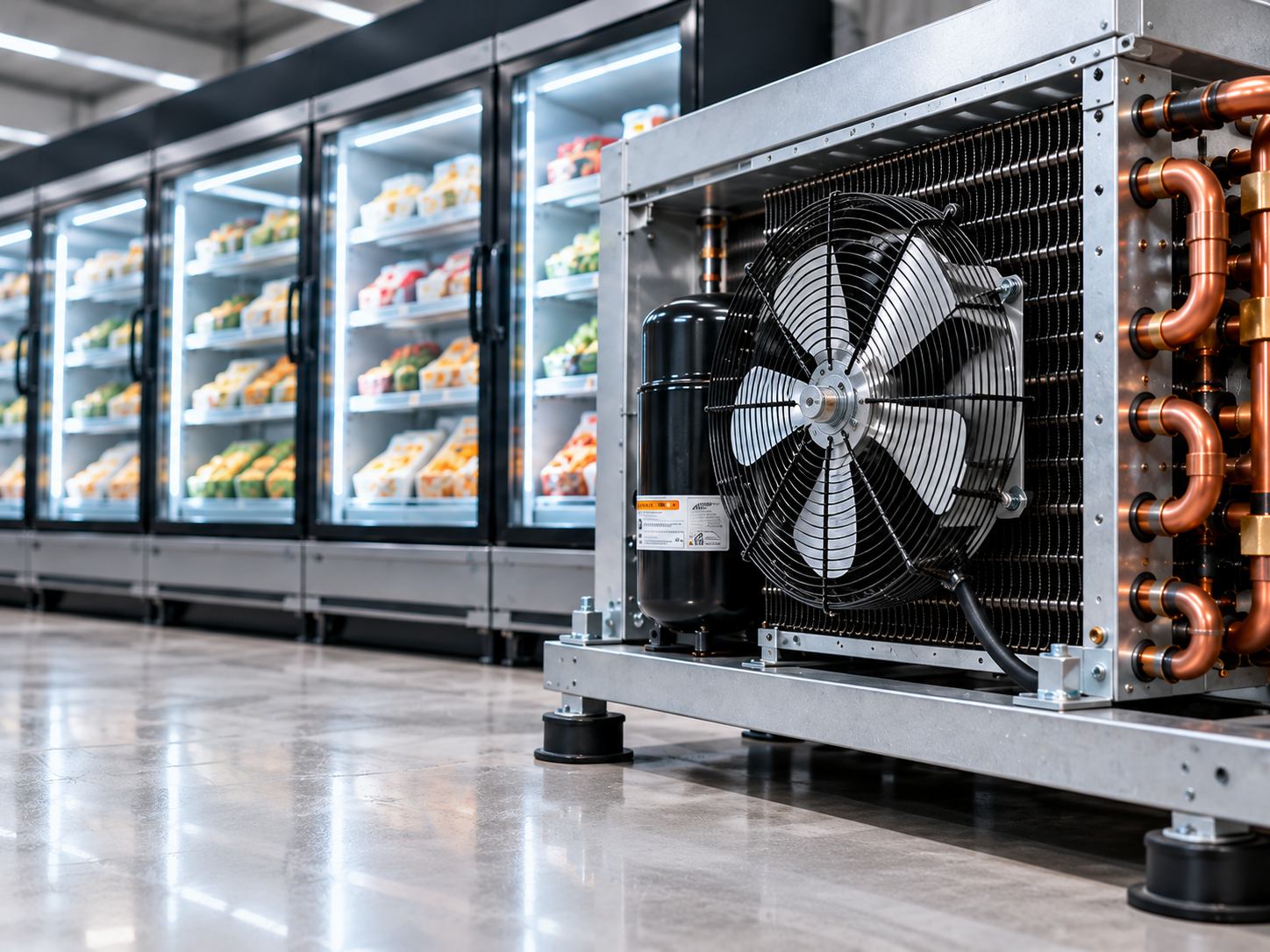
In an air-cooled refrigeration system, the condenser fan moves air across the condenser coil to help transfer heat from the refrigerant to the surrounding environment.
Small shaded pole motors are used in certain compact refrigeration fan applications because of their straightforward construction and relatively low initial cost.
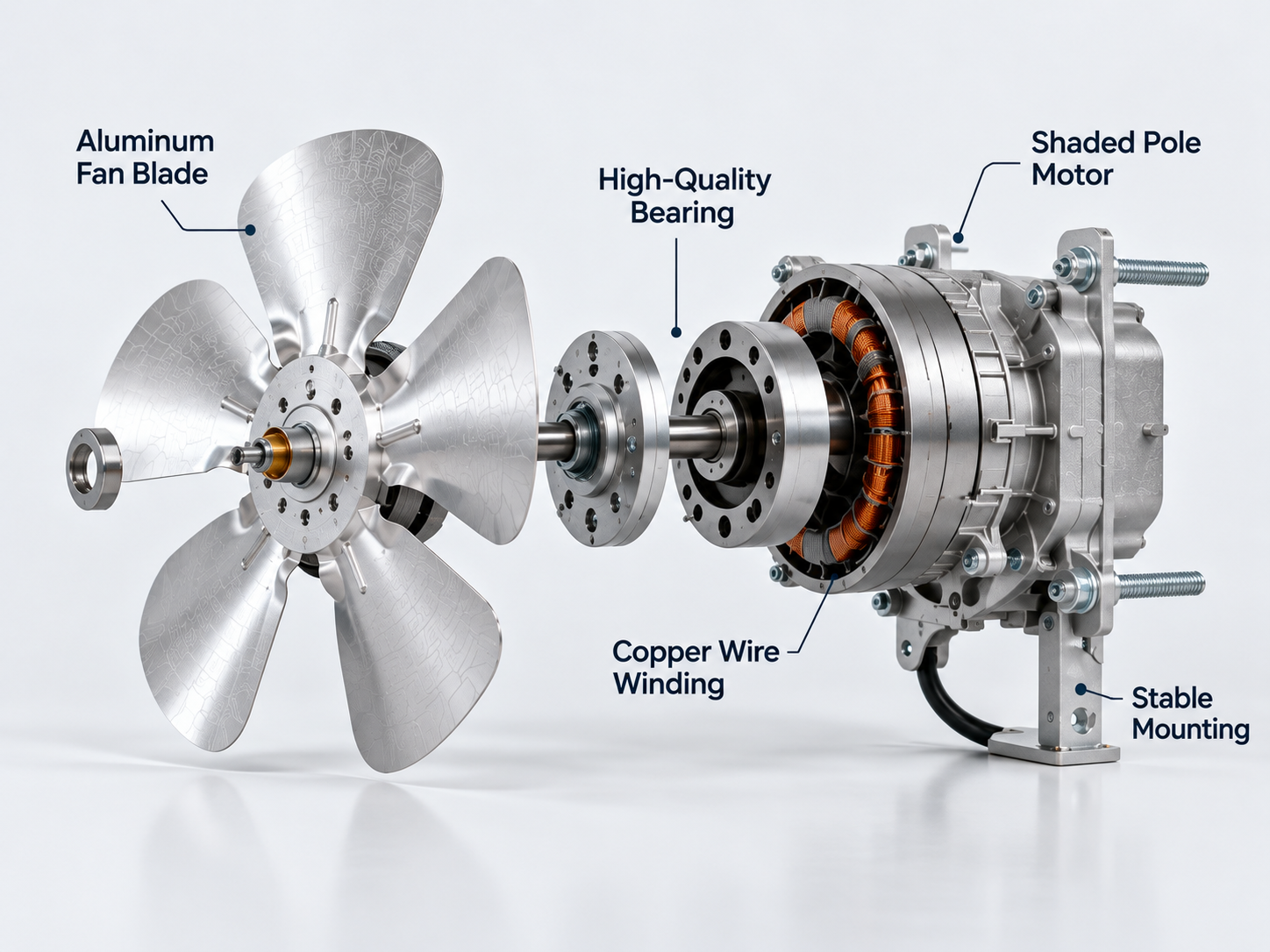
A typical condenser fan assembly may include:
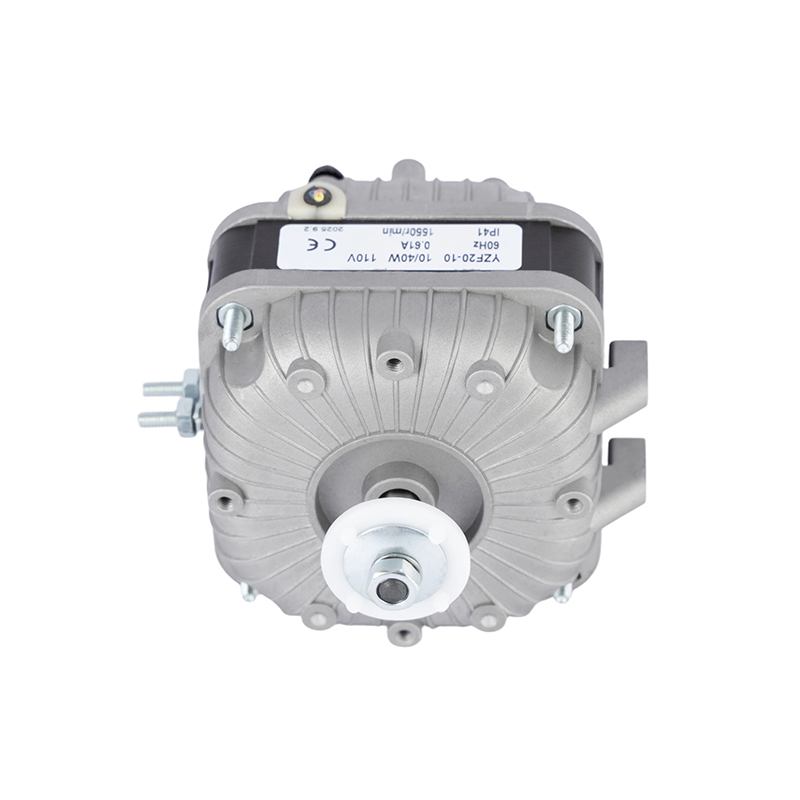
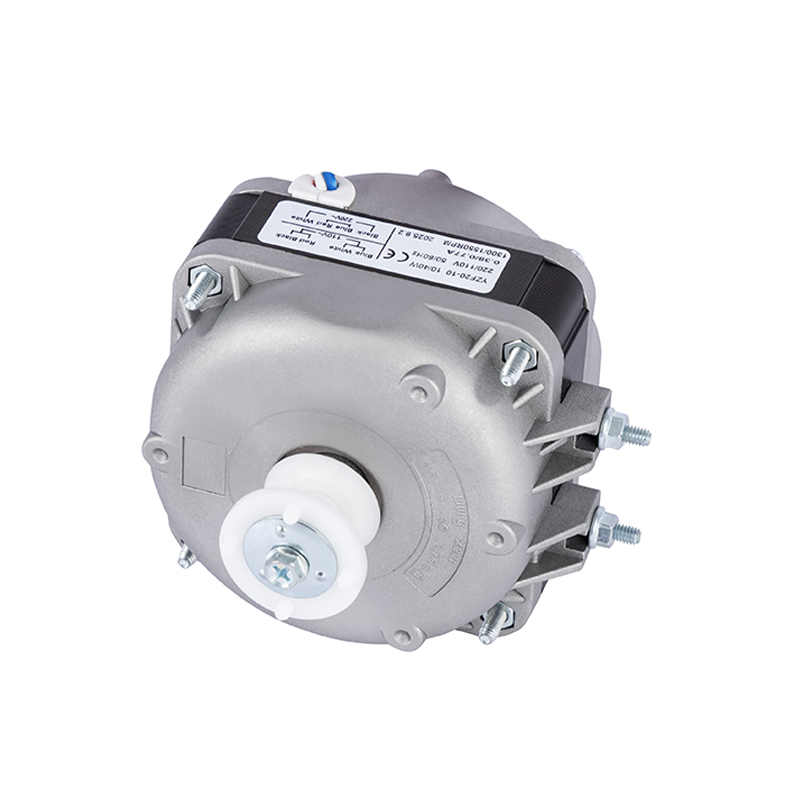
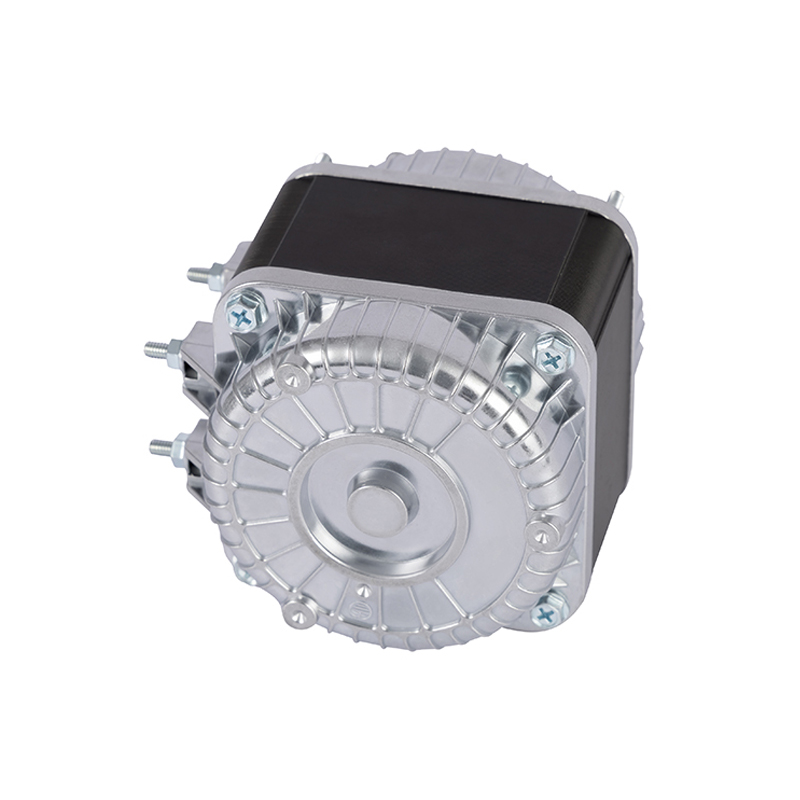
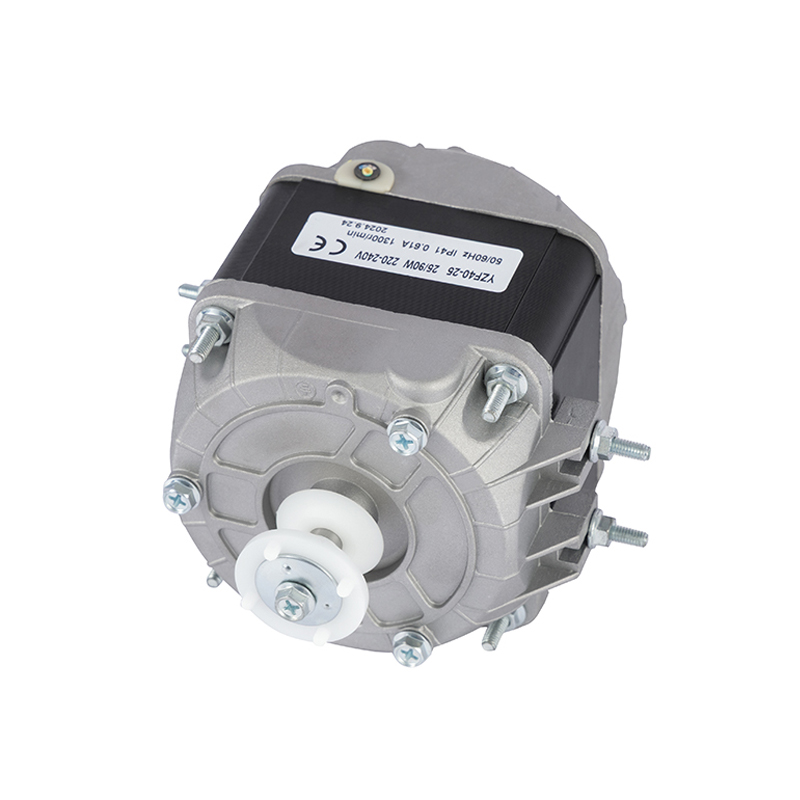
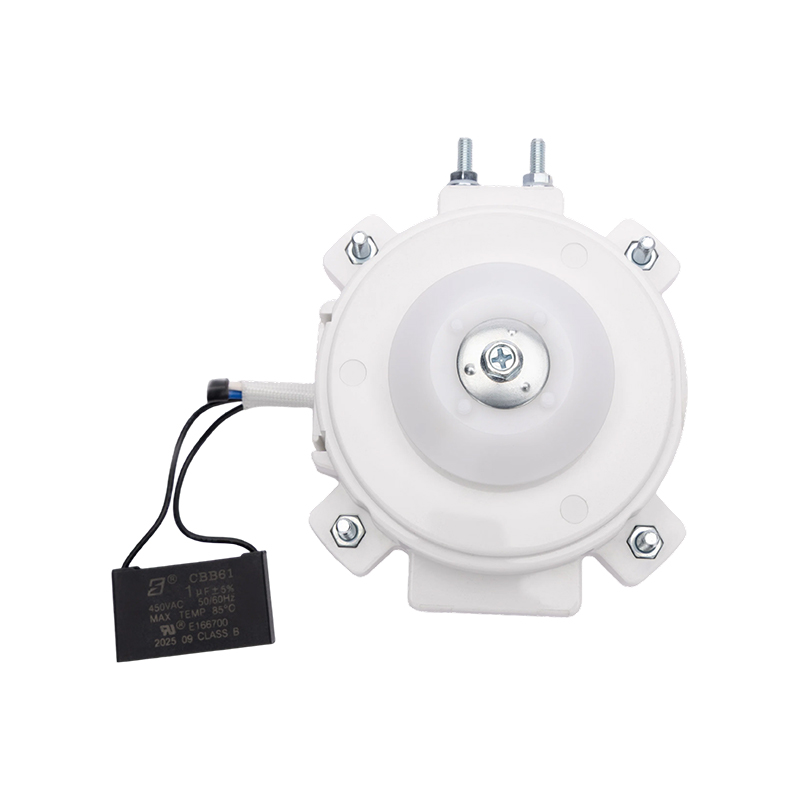
A single-phase AC shaded pole motor
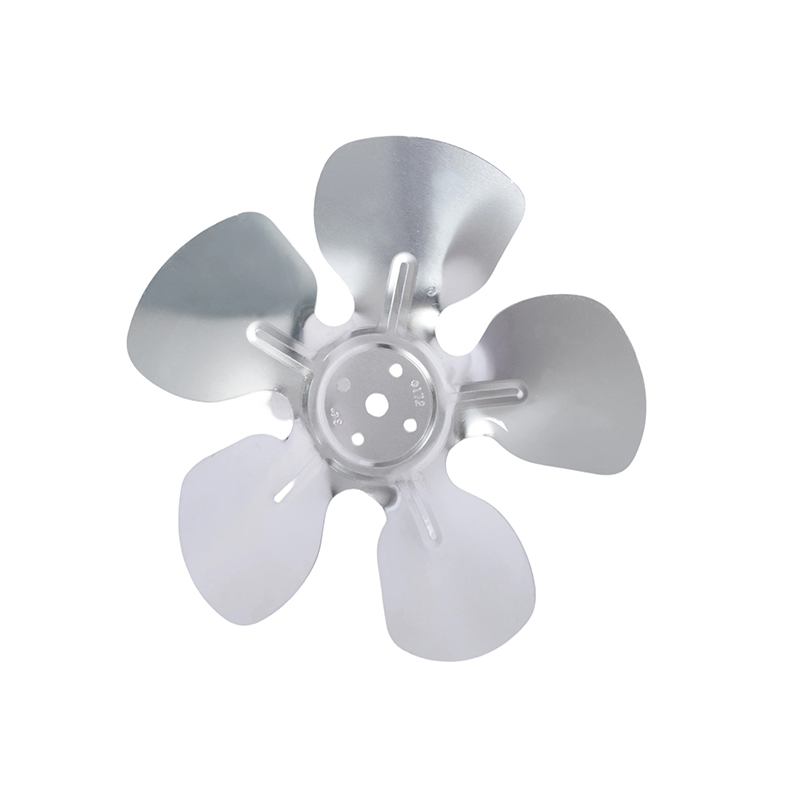
A five-blade aluminum cooling fan
A motor output shaft and mounting hub
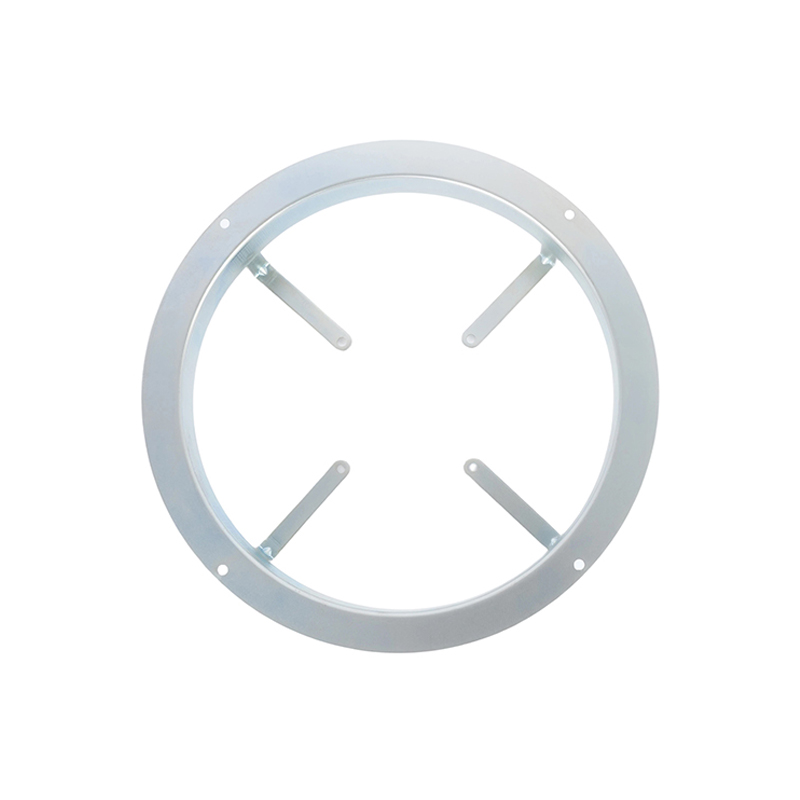
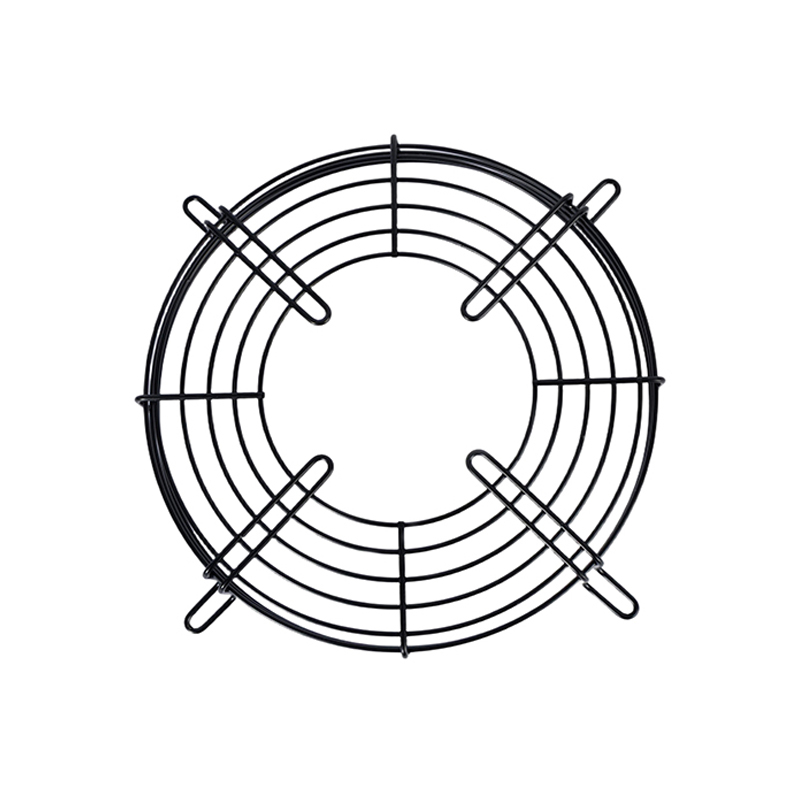
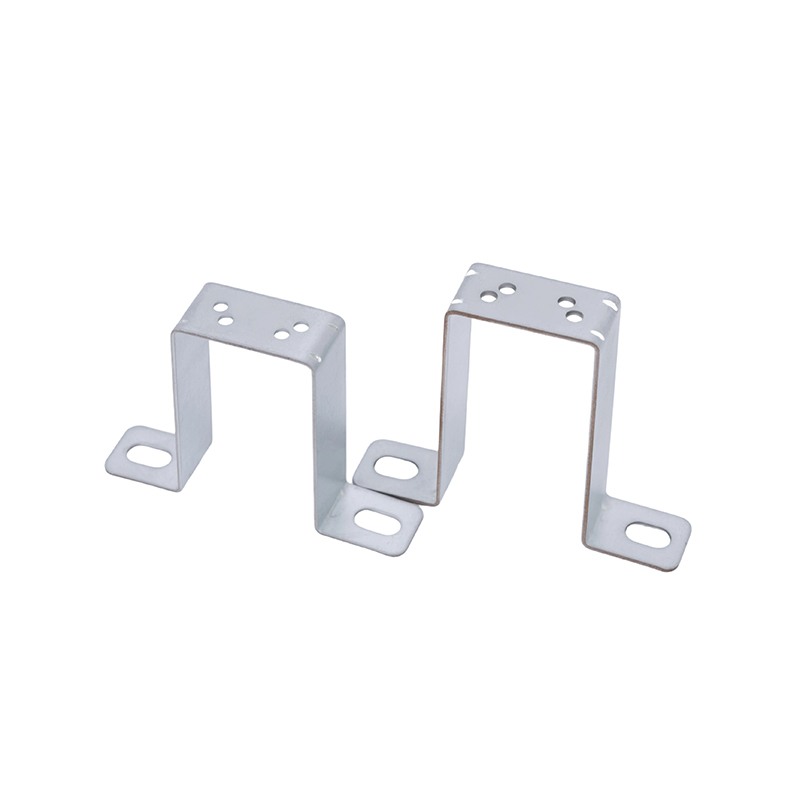
Supporting brackets and mounting hardware
Electrical connections and protective components
The fan is directly mounted onto the motor shaft, while the motor body is secured to the equipment structure.
Correct assembly and compatibility are important for stable fan operation.
Dust, grease, and other debris can accumulate on condenser surfaces over time.
When airflow through the condenser becomes restricted, heat transfer may decrease. This can cause higher condensing temperatures and affect refrigeration system performance.
Regular inspection and appropriate cleaning of condenser coils help maintain effective heat dissipation.
The connection between the fan blade and motor shaft is critical.
Loose mounting hardware, poor alignment, damaged fan blades, or insufficient clearance can create abnormal vibration, noise, and mechanical interference.
For five-blade aluminum fan assemblies, manufacturers should confirm that the fan hub is correctly fitted to the motor output shaft and properly secured.
A fan motor may fail to start or operate correctly when its electrical supply does not match its rated specifications.
Possible problems include incorrect voltage, damaged wiring, loose electrical connections, or faulty control components.
Electrical testing should be performed by qualified personnel using appropriate safety procedures.
Motor bearings and rotating components can experience wear during service.
Excessive mechanical resistance may result in increased noise, difficult starting, or abnormal operation.
A motor showing unusual vibration, persistent noise, or signs of mechanical damage should be inspected before further operation.
Installing a replacement motor with incompatible specifications can cause performance and reliability problems.
For example, a motor may have similar external dimensions but different electrical ratings, rotational speed, shaft configuration, or mounting requirements.
Replacement motors should be selected according to the complete equipment specification rather than appearance alone.
Equipment operators and maintenance technicians should pay attention to several common warning signs.
Abnormal noise: Grinding, rattling, or repeated vibration may indicate mechanical interference or rotating-component problems.
Fan not rotating: A stationary fan can be associated with electrical supply issues, motor damage, mechanical blockage, or control-system operation.
Poor refrigeration performance: Reduced condenser airflow may contribute to higher condensing pressure and insufficient cooling.
Repeated shutdowns: Some refrigeration equipment may shut down because of high-pressure protection or other safety controls.
Unusual motor temperature: Unexpected temperature changes, especially when accompanied by poor operation, should be evaluated against the motor's rated operating conditions.
These symptoms are not sufficient on their own to confirm a defective motor. Proper troubleshooting is necessary.
A practical maintenance program should consider the entire fan and condenser assembly.
Recommended inspection points include:
Check condenser coil cleanliness and airflow restrictions.
Inspect fan blades for visible damage or deformation.
Verify that mounting brackets and fasteners are secure.
Inspect wiring, connectors, and cable protection.
Observe abnormal noise or vibration during normal operation.
Confirm that the motor is operating within its specified electrical and temperature limits.
Before accessing moving components, disconnect and isolate the electrical supply and follow the equipment manufacturer's service procedures. Refrigerant-related servicing should be performed by appropriately qualified technicians.
Inspection frequency depends on the environment, operating conditions, and equipment manufacturer recommendations.
A condenser fan motor should be considered for replacement when inspection confirms that it can no longer operate reliably or meet the equipment's required specifications.
Examples include damaged windings, serious bearing deterioration, unrepairable mechanical damage, or repeated verified motor-related failures.
Before choosing a replacement, OEM buyers should compare:
Rated voltage and frequency
Motor speed and electrical ratings
Shaft diameter and shaft length
Mounting dimensions and fixing positions
Fan blade and hub compatibility
Operating temperature and duty requirements
Motor replacement should also be followed by appropriate installation and operating checks.
For commercial refrigeration manufacturers, reliability depends on more than a single motor component.
A suitable motor must work correctly with the fan blade, mounting structure, electrical system, and condenser airflow requirements.
Consistent manufacturing quality, clear technical specifications, and appropriate prototype testing help manufacturers evaluate motor options more effectively.
For OEM projects, buyers should communicate their equipment drawings, fan dimensions, target operating conditions, and production requirements early in the sourcing process.
Hangzhou Fengyin Motor Manufacturing Co., Ltd. serves buyers looking for shaded pole motor solutions for refrigeration, ventilation, and compatible equipment applications.
For commercial freezer manufacturers and refrigeration equipment suppliers, choosing the appropriate motor involves careful consideration of electrical ratings, mechanical dimensions, and fan assembly compatibility.
Fengyin welcomes inquiries from international distributors, OEM manufacturers, and refrigeration equipment suppliers.
Looking for a Shaded Pole Motor for Your Refrigeration Equipment?
Contact Fengyin Motor with your motor specifications, product drawings, or application requirements to discuss suitable options.
Condenser fan problems can arise from multiple factors, including restricted airflow, incorrect installation, electrical faults, component wear, and unsuitable replacement motors.
Regular maintenance and proper diagnosis help equipment operators identify problems before they affect the wider refrigeration system.
For OEM manufacturers, matching the right motor with the correct fan assembly remains an important part of reliable commercial refrigeration equipment design.


steve.yu@hzfymotor.cn

+86-19967337477

No. 145 Jiangzhi Road, Linpu Town, Xiaoshan District, Hangzhou City, Zhejiang Province, China