 English
 中文简体
 Español
 عربى
Industry News
Home / News / Industry News / What Causes Refrigerator Fan Motor Failures and How Can Suppliers Prevent Them?
A refrigerator fan motor may be a relatively small component, but when it stops working properly, the effects can be felt throughout the cooling system. The freezer may become too warm, cold air may no longer circulate evenly, or the refrigerator may start making noises that were not there before.
The cause is not always a faulty motor. Ice around the fan blades, worn bearings, loose electrical connections and poor assembly can produce similar symptoms. For appliance manufacturers and component suppliers, finding the actual cause is important because replacing the motor alone may not solve the problem.
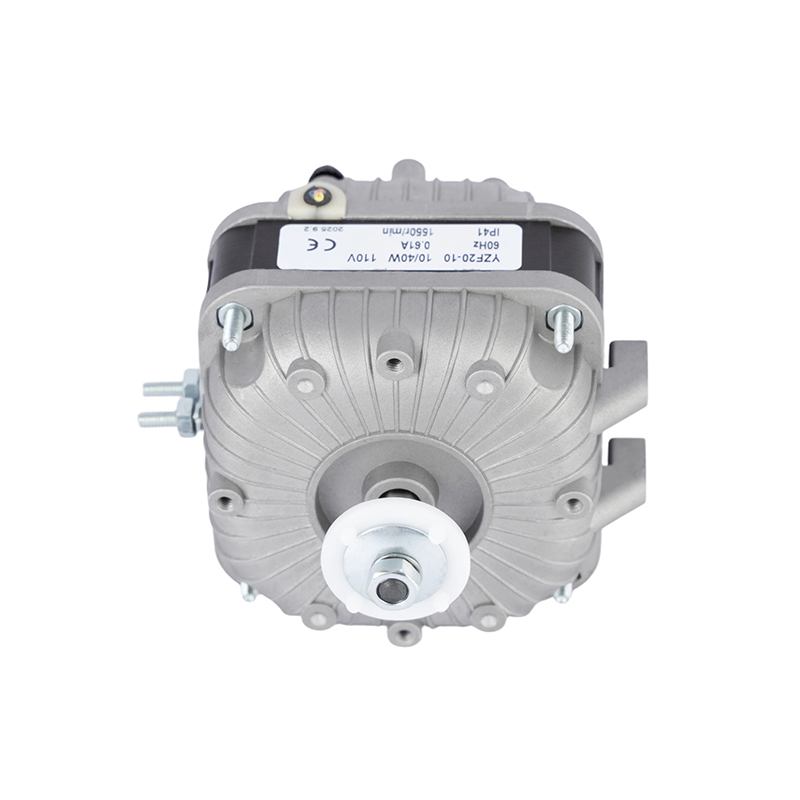
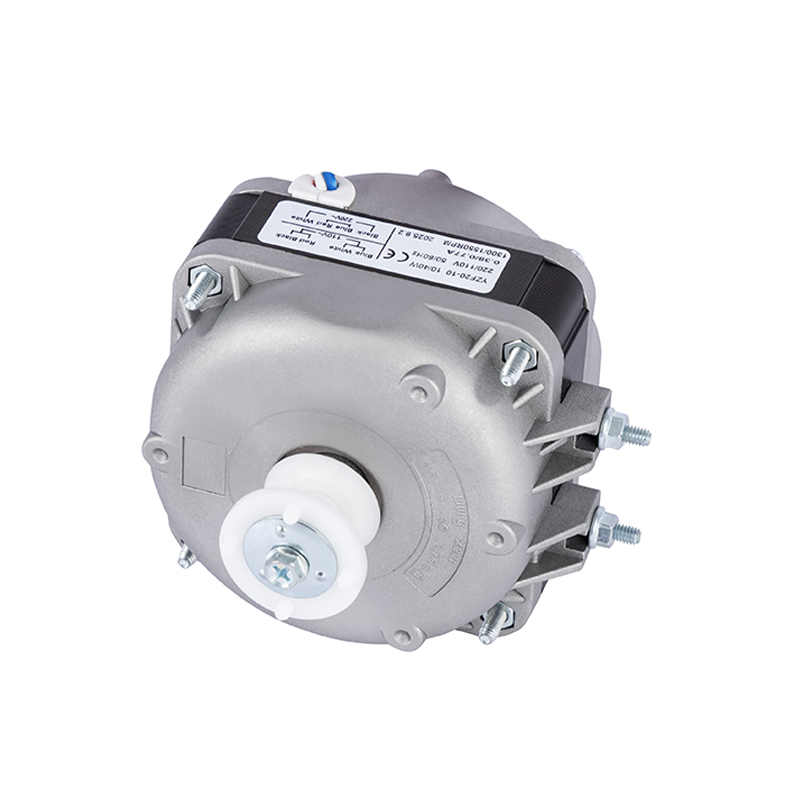
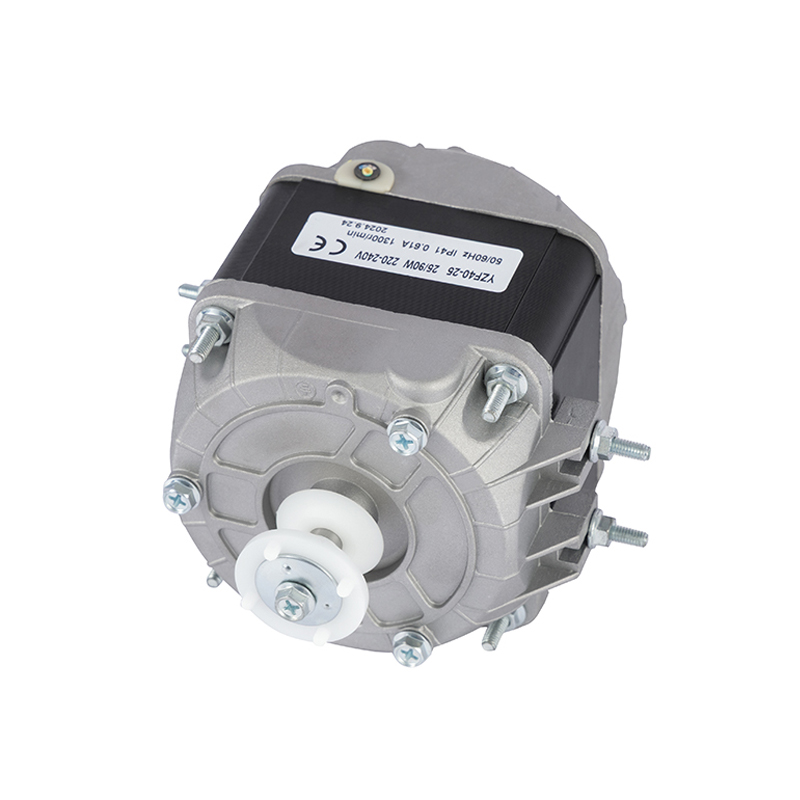
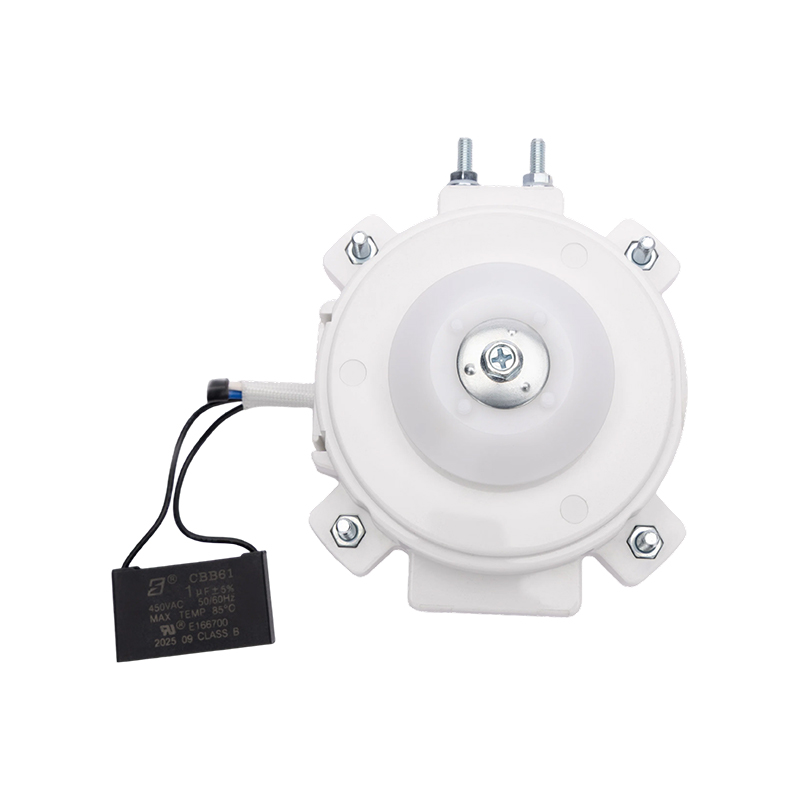
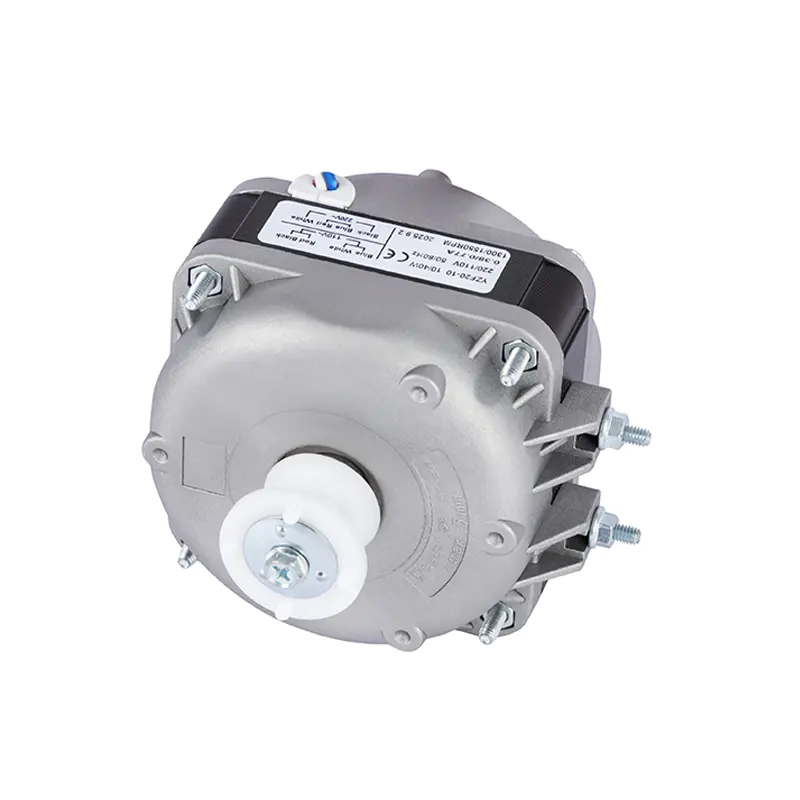
A dependable Fan Motor For Refrigerator needs to operate for long periods under changing temperatures, moisture exposure and repeated starting and stopping. Its design and manufacturing quality both matter.
Understand Where Motor Problems Begin
Most refrigerators use evaporator fan motors, condenser fan motors, or both. Although their operating environments differ, problems with either can affect appliance performance.
The evaporator fan moves cold air through the refrigerator and freezer compartments. When it stops, some areas may remain cold while others become noticeably warmer. The condenser fan helps release heat from the refrigeration system. Poor operation here can contribute to higher operating temperatures.
Common warning signs include:
Before identifying the motor as defective, technicians should also check the fan blades, wiring, control board, air passages and possible ice buildup. These parts can produce symptoms similar to motor failure.
Bearing Quality Has a Direct Effect on Motor Life
Bearings support the rotating shaft, and they are exposed to continuous mechanical movement during normal operation. Once lubrication deteriorates or internal wear develops, friction increases.
The first sign may be an unusual noise. Later, the motor may run less smoothly, consume more power or struggle to reach its required speed.
Bearing problems can result from unsuitable specifications, poor lubrication, incorrect installation or contamination during assembly.
Suppliers should pay attention to bearing clearance, lubricant quality, shaft tolerances and rotor alignment. Bearings must also suit the motor's operating temperature and expected service life. Choosing a cheaper bearing without considering these conditions can lead to premature failures and additional warranty costs.
Prevent Electrical Problems and Excessive Heating
A refrigerator fan motor must match the appliance's electrical supply and control system. Incorrect voltage, unstable connections or excessive current can place unnecessary stress on the windings and other electrical components.
Heat is another concern. A blocked fan, overloaded motor or restricted ventilation can cause operating temperatures to rise.
During development and production, suppliers should verify:
Electronic control compatibility also matters. Motors designed for variable-speed operation, for example, must work correctly with the appliance's control board.
Consider Moisture, Frost and Ice Buildup
An evaporator fan operates in a cold environment where frost and condensation are part of normal refrigerator operation. If ice accumulates around the fan blades, rotation may become restricted. Continued operation against this resistance can place additional strain on the motor.
Condenser fan motors face different conditions. Depending on their position, dust, grease and higher ambient temperatures may affect their operation.
| Failure factor | Possible effect | Supplier control |
|---|---|---|
| Bearing wear | Noise and increased friction | Suitable bearing selection and lubrication |
| Voltage fluctuations | Electrical stress and overheating | Verify electrical specifications and protection |
| Ice buildup | Restricted fan rotation | Check blade clearance and environmental compatibility |
| Moisture exposure | Corrosion and insulation deterioration | Appropriate materials and protective construction |
| Dust accumulation | Reduced airflow and increased resistance | Suitable housing and contamination protection |
| Poor rotor alignment | Vibration and premature wear | Controlled assembly and balance inspection |
| Blade obstruction | Motor overload | Verify fan clearance and operating conditions |
Testing should reflect the actual installation environment. For complete refrigerator assemblies, defrost operation and drainage arrangements also deserve attention because they influence how much ice and moisture collect around the fan.
Check the Fan Blade and Motor as One Assembly
A motor can meet its electrical specifications and still perform poorly when connected to an unsuitable fan blade.
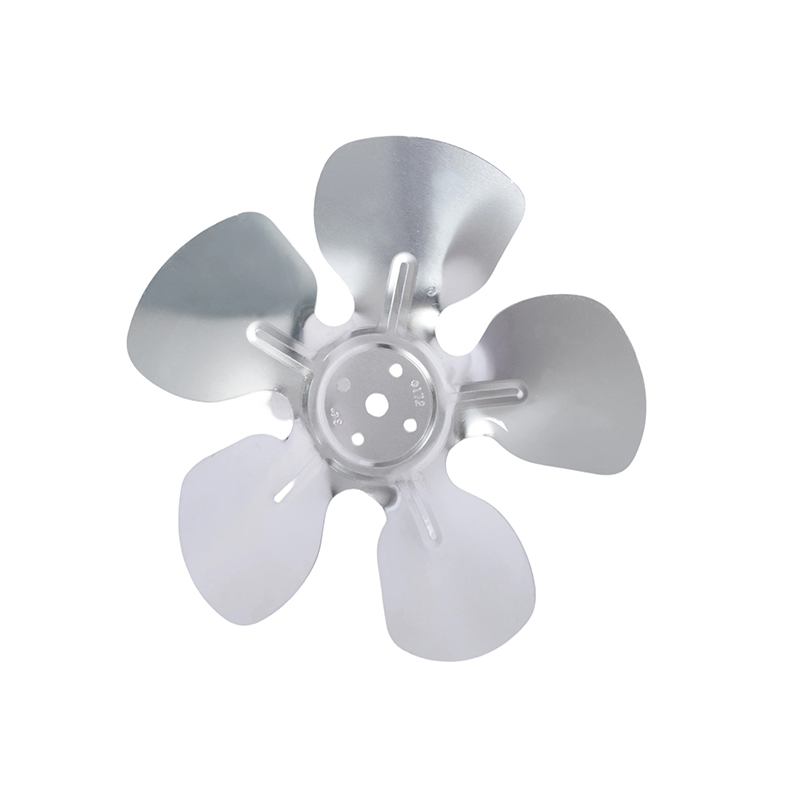
Blade diameter, pitch angle and overall geometry determine the airflow load placed on the motor. If the blade is incorrectly sized or poorly balanced, the motor may experience additional vibration and mechanical stress.
Suppliers should check blade dimensions, shaft connections and clearance between the blade and housing. Rotor and fan assembly balance also need attention.
Testing only the unloaded motor is not enough to understand its performance in a refrigerator. The complete assembly should be evaluated under the airflow and operating conditions of the intended appliance.
Test Motors Before They Leave the Factory
A production inspection should cover electrical performance, mechanical operation and durability. Testing helps identify assembly problems and component defects before motors reach appliance manufacturers.
| Test category | What to examine |
|---|---|
| Electrical testing | Voltage, current, winding resistance and insulation performance |
| Operational testing | Startup, rotational speed and running stability |
| Noise and vibration | Bearing friction, rotor imbalance and assembly defects |
| Temperature testing | Motor heating under specified operating conditions |
| Durability testing | Changes in performance after defined operating cycles |
Acceptance limits should be established according to the motor specification. Suppliers should retain test records by production batch so that recurring defects can be traced and investigated.
For demanding applications, testing in representative refrigerator models is particularly useful. It reveals problems that may not appear when the motor is tested separately.
Control Component Quality During Production
Motor reliability depends heavily on the consistency of its components. Variations in copper wire, bearings, magnets, shafts or insulation materials can affect finished performance.
Suppliers should inspect incoming materials and pay close attention to winding quality, bearing installation, rotor alignment and electrical connections during assembly.
For OEM buyers, useful supplier documents include technical datasheets, material inspection records, electrical test results, temperature reports and durability records. It is also worth asking how the supplier handles recurring defects, replacement parts and warranty claims.
A prototype installed in the intended refrigerator model can provide additional evidence of compatibility before large-scale purchasing begins.
Reducing Premature Refrigerator Fan Motor Failures
Bearing deterioration, electrical stress, overheating, moisture and ice buildup can all shorten refrigerator fan motor life. In many cases, the problem involves more than one component, which is why checking the complete fan assembly is important.
For suppliers, attention to bearing specifications, winding quality, assembly tolerances and actual operating conditions can prevent many avoidable failures. A properly tested Fan Motor For Refrigerator should do more than run successfully on the factory test bench; it should continue operating reliably once installed in the refrigerator and exposed to the conditions of everyday use.


steve.yu@hzfymotor.cn

+86-19967337477

No. 145 Jiangzhi Road, Linpu Town, Xiaoshan District, Hangzhou City, Zhejiang Province, China