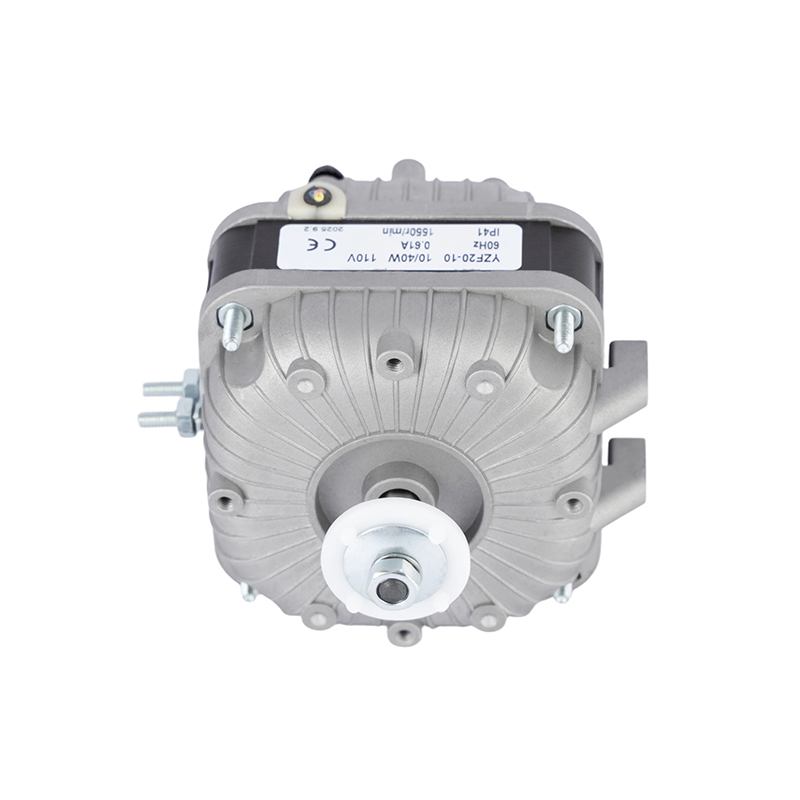
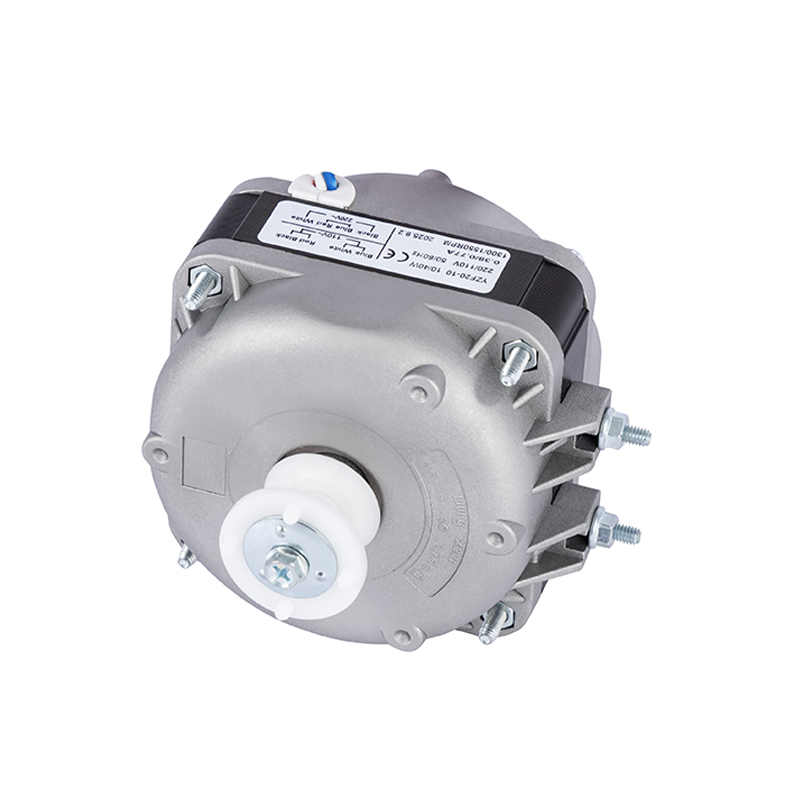
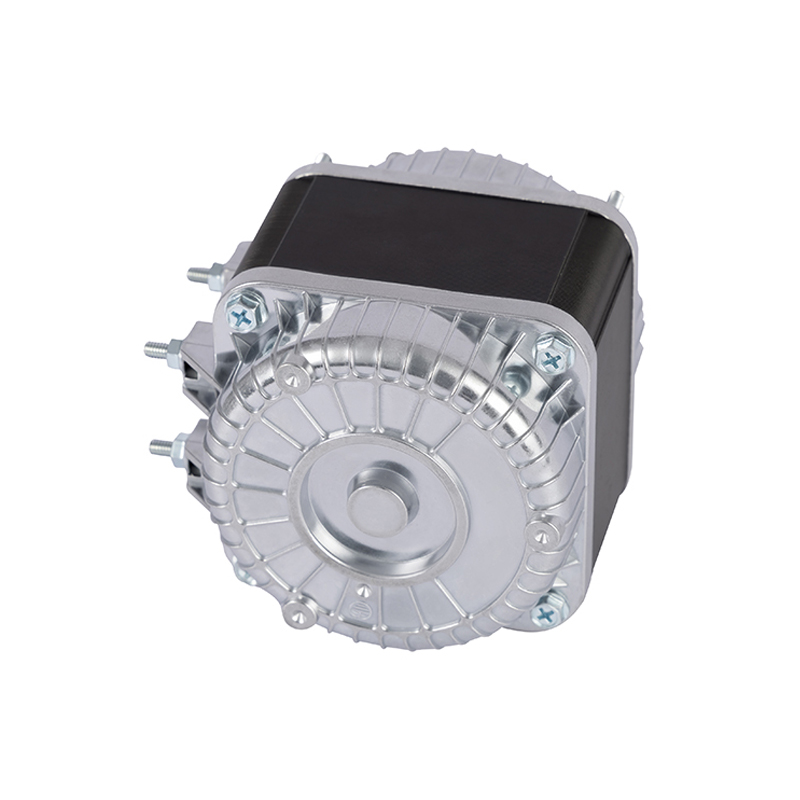
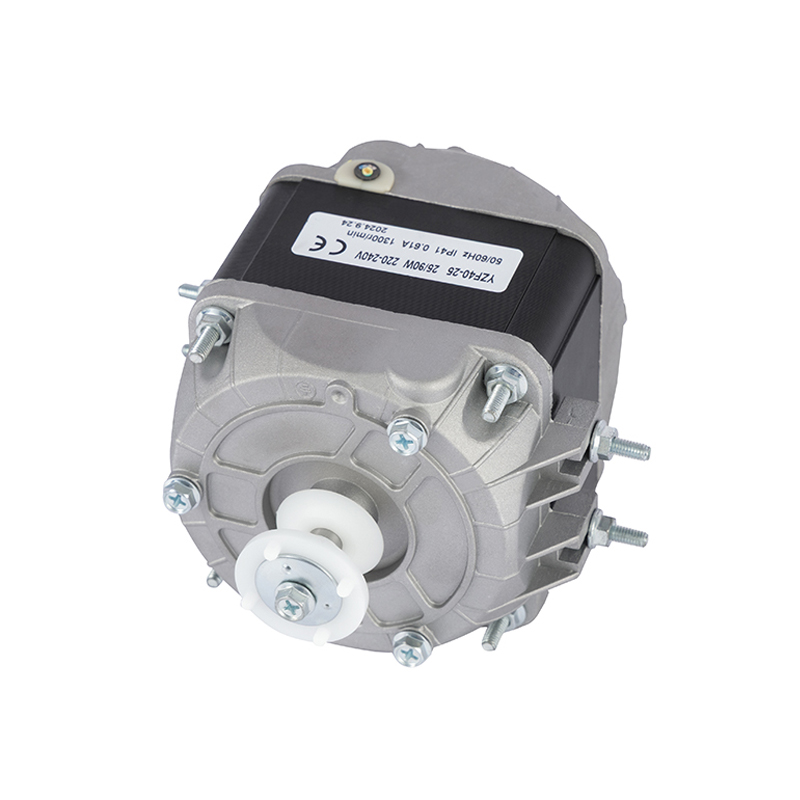
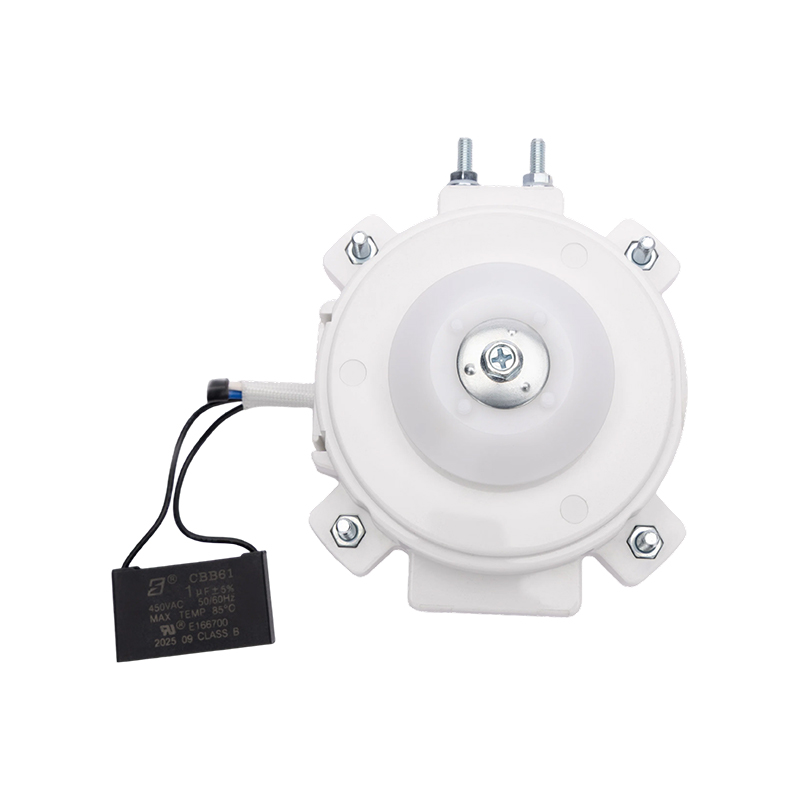
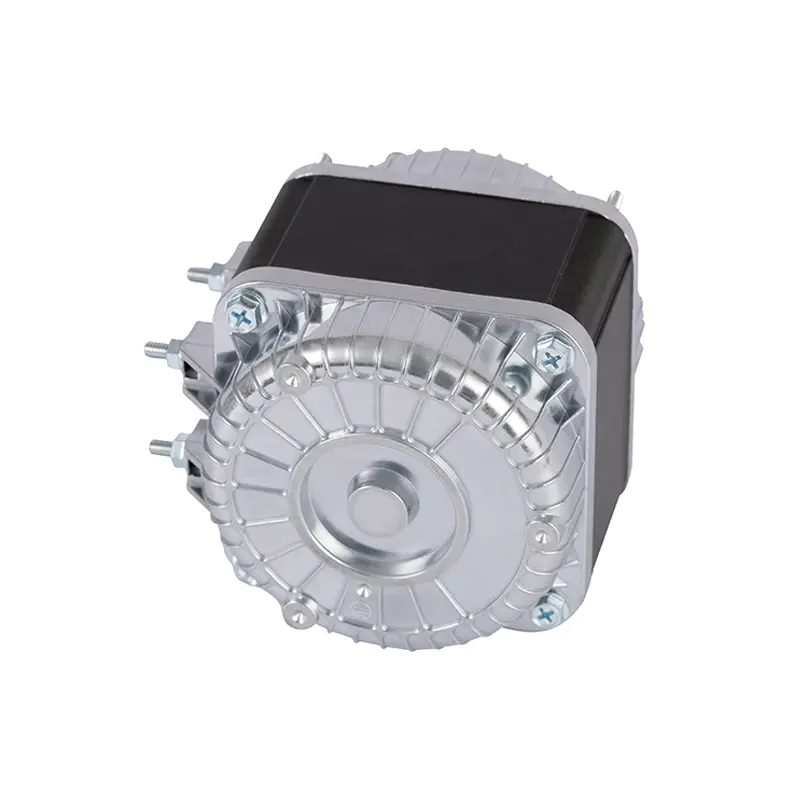
Ordering shaded pole motors by the thousand means a small unit price difference can quietly blow up the total budget. But two quotes that look like they're for the same motor may actually cover very different specifications. Winding design, materials, testing, delivery terms—they all shift the number.
For OEM manufacturers and distributors, it pays to check what's actually included before comparing suppliers side by side.
Motor Specifications and Performance Requirements
A shaded pole motor built for a small ventilation fan isn't necessarily put together the same way as one used in a refrigerator or another appliance.
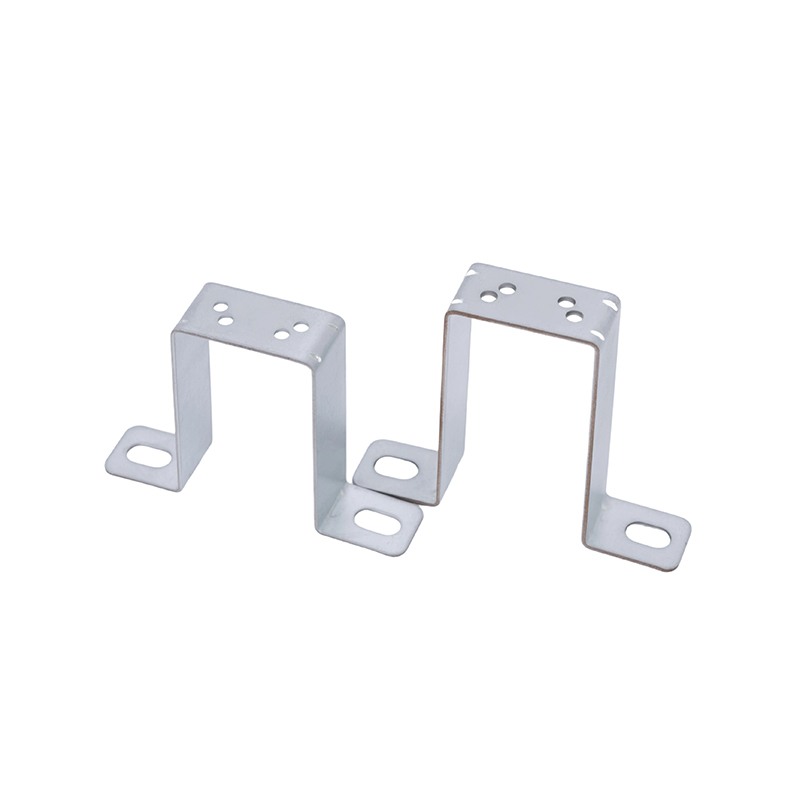
Voltage, frequency, power, speed, and torque affect the winding and component design. Mounting dimensions matter too, especially when the motor has to drop into an existing assembly without modification.
Continuous operation may call for different insulation and thermal protection than a motor that runs only occasionally. Non-standard shaft dimensions or mounting arrangements can add machining and production work—sometimes more than buyers expect.
Raw Materials and Component Quality
Copper wire and electrical steel make up a significant part of motor construction. Bearings, shaft, housing, and insulation choices add to the cost as well.
Copper prices fluctuate, so quotations can change even when the motor design stays the same. The grade of electrical steel and the quality of the bearings influence both performance and durability.
A higher-priced component isn't automatically necessary. The real question is whether the materials can handle the motor's actual workload and expected operating conditions. Over-specifying wastes money; under-specifying invites failures.
Order Quantity and Production Costs
Larger orders generally bring down the unit price. Setup, purchasing, and production costs get spread across more motors, and repeat orders are easier to plan when specifications don't change.
That said, not every quantity increase delivers the same saving. An order mixing several motor models—each with different shafts or wiring—can involve extra setup and handling.
| Purchasing factor | Possible effect on price |
|---|---|
| Larger order quantity | Lower unit cost through production scale |
| Standardized specifications | Fewer setup changes |
| Repeat orders | More predictable production planning |
| Multiple customized models | Additional tooling and handling |
| Urgent delivery | Possible rush charges |
Ask for prices at different quantities. The break between order levels may help you decide whether a larger batch actually makes financial sense.
Customization and OEM Requirements
Small changes can add work to an otherwise standard motor. Buyers may request a different shaft length, mounting arrangement, connector, lead wire, or package design.
Starting from an existing model usually keeps development work down. A completely new design may involve engineering, tooling, samples, and approval testing before production can begin.
Send complete drawings and electrical requirements at the quotation stage. That helps avoid repeated revisions and surprise charges later.
Quality Control and Testing
Testing requirements vary with the application. Routine checks may cover winding resistance, insulation resistance, dielectric strength, operating current, temperature rise, vibration, and shaft dimensions.
Endurance testing may be needed where the motor runs for long periods. These inspections add to manufacturing costs, but they catch problems before the motors reach the buyer—which is cheaper than dealing with field failures.
Ask which tests are included in the quoted price. Also clarify whether inspection reports or test records come with the order. If they don't, ask why.
Packaging, Freight, and Delivery Terms
The motor price isn't the final landed cost. Individual packaging, export cartons, moisture protection, and custom labels all affect the total.
Freight, insurance, customs duties, and import taxes need to be added too. Delivery terms make a difference: an EXW quotation doesn't cover the same costs as a DDP quotation.
Compare suppliers using the same delivery terms and destination. Otherwise, a lower unit price may not mean a cheaper order overall—it might just mean you're comparing apples to oranges.
Keeping Bulk Purchasing Costs Under Control
Start with the motor's actual operating requirements. Avoid adding custom features the equipment doesn't need, and consider using a common motor specification across product models where possible.
Also look at the supplier's production capacity and consistency. A low price offers little benefit if late deliveries interrupt assembly or inconsistent motors lead to extra inspection and warranty work.
For regular orders, discuss forecast quantities and repeat-order pricing. Stable specifications and a realistic production schedule make costs easier to manage.
Before Placing a Bulk Order
Shaded Pole Motor Price is shaped by motor design, materials, order volume, customization, testing, and shipping. A useful quotation should make these costs clear rather than simply provide a unit figure.
Send suppliers the same technical requirements and order quantity, then compare what each quotation actually includes. That gives you a much clearer picture of the real purchasing cost—not just the number at the bottom of the page.


steve.yu@hzfymotor.cn

+86-19967337477

No. 145 Jiangzhi Road, Linpu Town, Xiaoshan District, Hangzhou City, Zhejiang Province, China


 English
 中文简体
 Español
 عربى