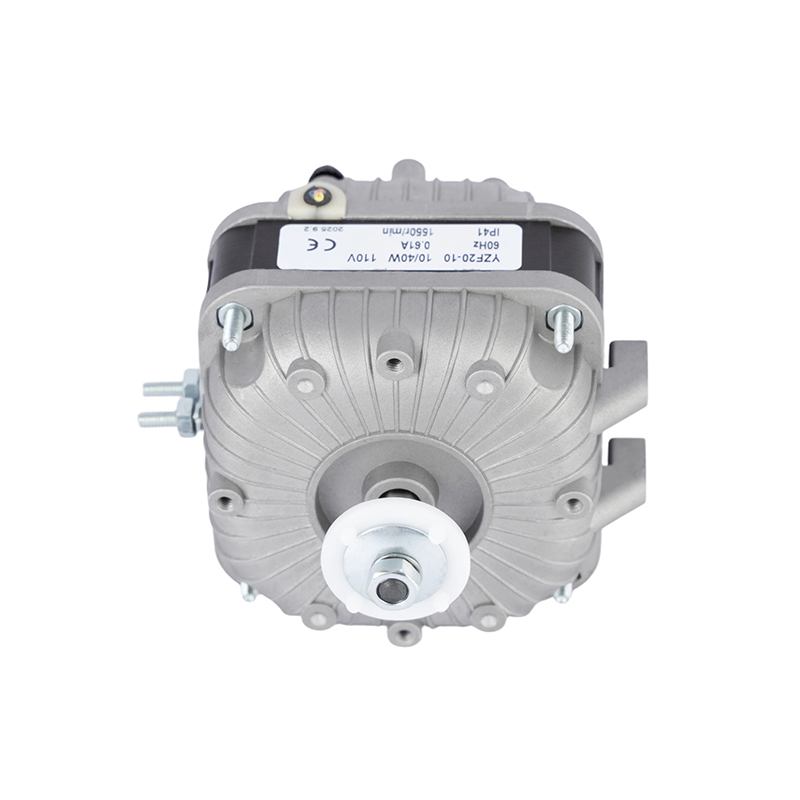
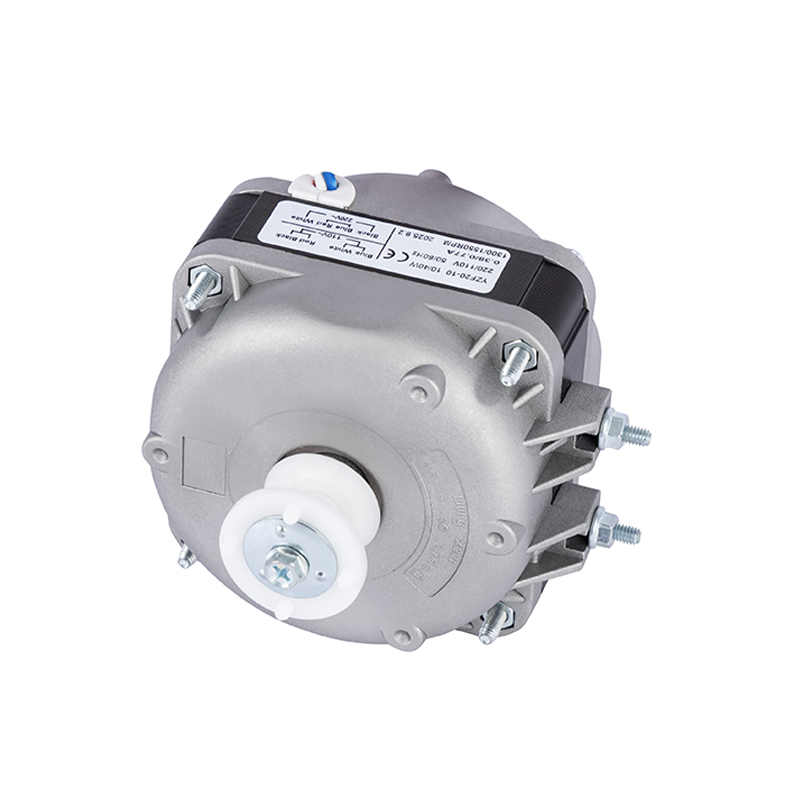
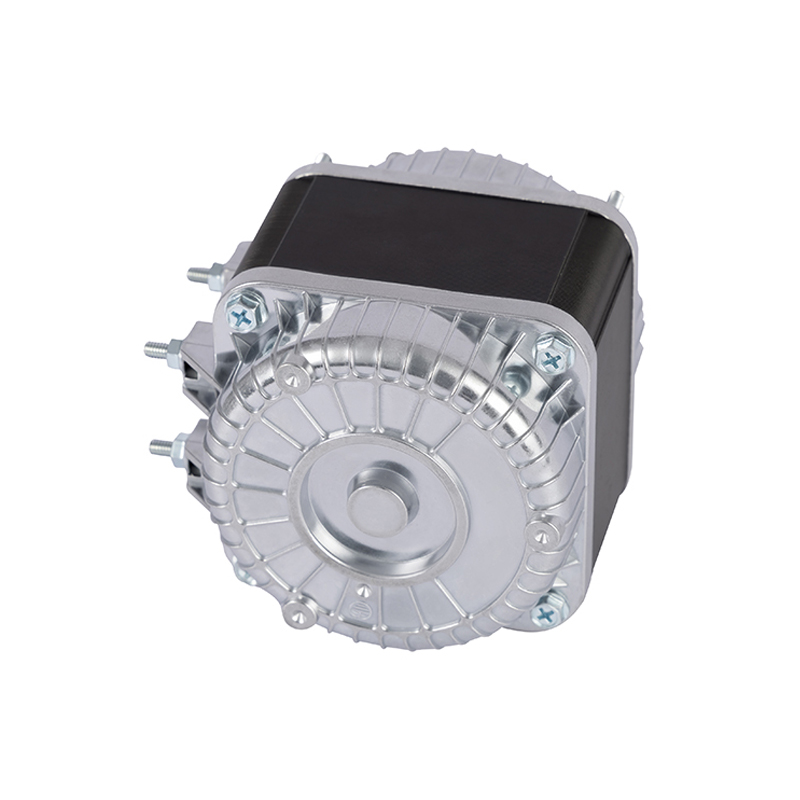
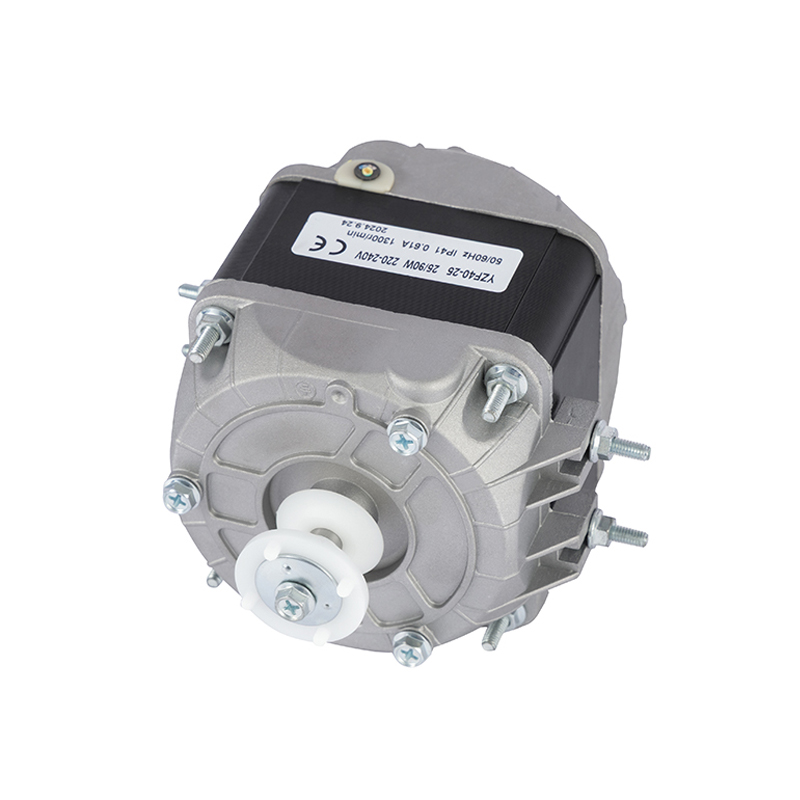
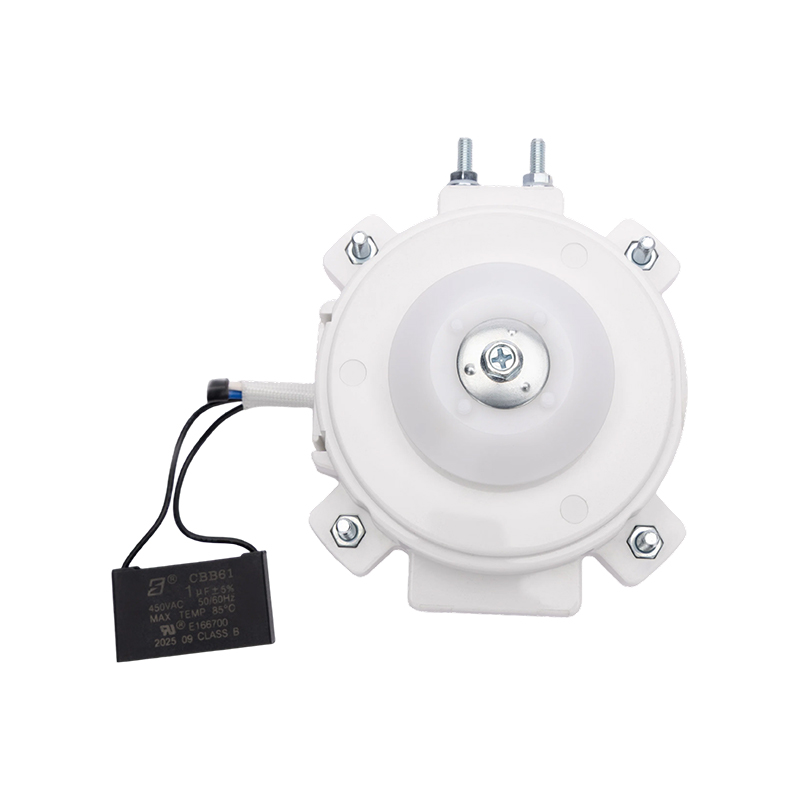
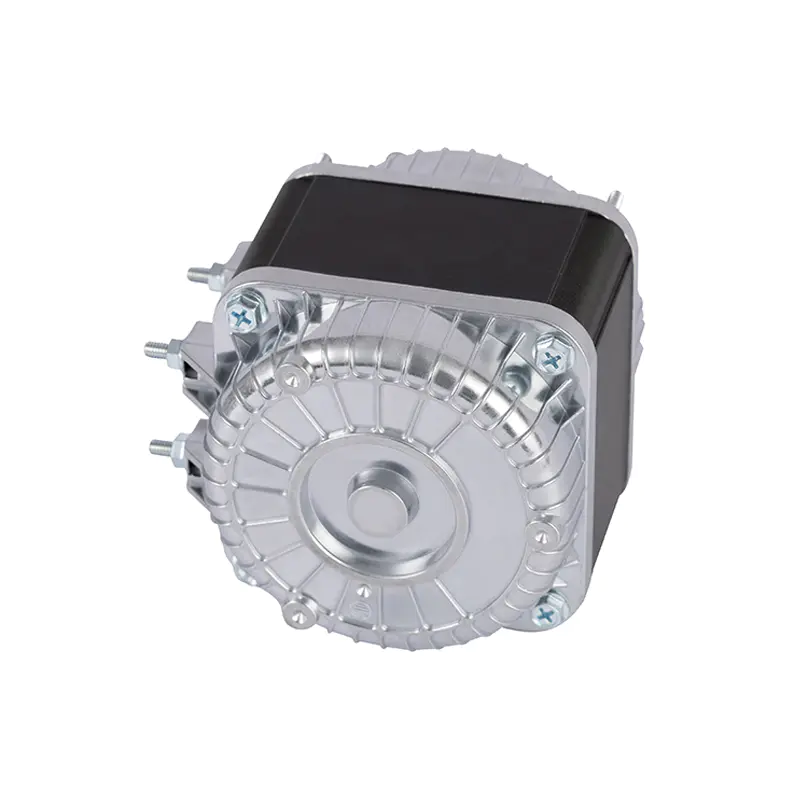
A single phase capacitor motor that hums but won't spin is a common headache in pumps, fans, compressors, and similar equipment. The hum itself is informative—it confirms power is reaching the motor, yet something is preventing it from producing enough starting torque to get the rotor turning. Several things can cause this: a failing capacitor, a broken starting circuit, low supply voltage, or a rotor that's physically stuck. The trick is figuring out which one before the motor overheats and the windings take damage. That's when a simple fix turns into a full replacement.
How a Single Phase Capacitor Motor Starts
To understand why the motor won't start, it helps to know how it's supposed to. A single-phase AC supply generates a pulsating magnetic field, which by itself can't create the starting torque a conventional single-phase induction motor needs. That's where the capacitor comes in. Along with a main winding and an auxiliary winding, it shifts the phase between winding currents enough to produce a rotating magnetic field—just what the rotor needs to break free and spin.
Different motor designs handle this differently. Capacitor-start motors cut the starting capacitor out of the circuit once the motor gets up to speed. Permanent-split-capacitor motors leave the run capacitor connected the whole time. Some use both. Whichever design you're dealing with, the outcome is the same when something fails: the motor receives power but can't generate sufficient torque. And because mechanical resistance and supply issues can mimic the same symptoms, troubleshooting has to look at the whole system rather than assuming the capacitor is guilty.
Common Causes of Humming Without Rotation
A Defective or Weak Capacitor
Capacitors take a lot of abuse over time—heat, aging, electrical stress—and any of it can reduce capacitance or damage the internals. Open circuits, short circuits, leakage: all possibilities. Once capacitance drifts outside the manufacturer's range, the phase relationship between winding currents weakens, and the motor can't produce the starting torque it needs. Humming and vibration follow, but rotation doesn't.
Sometimes you can spot the problem visually—bulging, leakage, cracks, damaged terminals. Often you can't. A capacitor can fail with no outward sign at all. A qualified technician can isolate it and measure capacitance properly. If replacement is needed, match the capacitance, voltage rating, and duty type to the original specification. Installing the wrong component invites further damage or unreliable operation down the line.
A Faulty Starting Switch or Auxiliary Winding
Many capacitor motors rely on a centrifugal switch, relay, or electronic starting device to manage the auxiliary circuit. If the switch won't close, the auxiliary winding gets no current during startup. If it stays closed when it should open, an intermittent-duty starting capacitor can overheat. Beyond the switch itself, a damaged auxiliary winding, loose terminal, or corroded contact can break the starting circuit. Since starting arrangements vary between motor designs, always consult the wiring diagram before inspecting.
Low Supply Voltage or Poor Electrical Connections
A motor that isn't getting enough voltage won't generate adequate starting torque. Undersized cables, excessive voltage drop, loose connections, damaged wiring, overloaded circuits—any of these can be the culprit. If the motor starts fine without a load but struggles under normal operation, check both the supply voltage and the mechanical load. Voltage measurements should be taken by a qualified electrician under the right conditions and compared against the nameplate requirements. Switching a stalled motor on repeatedly isn't a valid test; each attempt draws excessive current and pushes the windings closer to failure.
A Jammed Rotor or Excessive Mechanical Load
Electrical components can be perfectly fine while a mechanical problem keeps the rotor from turning. Seized bearings, blocked fan blades, jammed pump impellers, resistance from connected machinery—these are common. Once power is isolated, a qualified person can check whether the shaft turns freely per the manufacturer's procedure. Pumps and compressors may also need inspection for internal blockages or abnormal pressure. Never force a jammed shaft or touch moving parts while the motor is energized, and resolve the mechanical issue before restarting.
How to Identify the Likely Cause
| Observed symptom | Possible cause | Recommended check |
|---|---|---|
| Hums but does not rotate | Capacitor or auxiliary circuit fault | Test capacitance and starting components |
| Starts intermittently | Worn switch or loose connection | Inspect the starting circuit |
| Becomes hot quickly | Prolonged stalling, low voltage, or winding damage | Check voltage and winding condition |
| Shaft is difficult to turn | Seized bearing or obstruction | Inspect the isolated motor and load |
| Starts without a load but fails under load | Excessive load or voltage drop | Check operating load and supply conditions |
These symptoms point you in a direction, but they don't confirm a diagnosis on their own. Follow the manufacturer's service documentation and factor in the specific motor design before drawing conclusions.
Safe Troubleshooting and Preventive Maintenance
Electrical testing on a capacitor motor isn't a casual DIY job. Capacitors can hold a dangerous charge after disconnection, and a stalled motor draws excessive current. Someone qualified, with the right protective equipment and instruments, should handle it. Isolate the power supply and apply lockout/tagout procedures before touching anything. Then review the nameplate and wiring diagram, inspect accessible components for damage, and run the appropriate tests—capacitance, winding continuity, insulation condition, supply voltage. If you're not trained for this, don't attempt it.
Routine maintenance goes a long way toward preventing starting problems. Keep cooling passages clear, check connections at recommended intervals, and pay attention to changes in starting time, vibration, or operating temperature. Lubricate bearings per the manufacturer's schedule and keep the driven equipment within its rated load. And if the motor smells burnt, trips its protector, or runs unusually hot, stop restarting it. Getting it diagnosed promptly is what keeps a small component fault from becoming a major motor failure.
Restore Reliable Starting Through Accurate Diagnosis
When a single phase capacitor motor hums without starting, work through the possibilities—capacitor, starting circuit, supply voltage, mechanical load—in a systematic way. Compare what you find against the manufacturer's specifications. That approach identifies the real fault, avoids replacing parts that didn't need replacing, and gets the equipment back to reliable operation.


steve.yu@hzfymotor.cn

+86-19967337477

No. 145 Jiangzhi Road, Linpu Town, Xiaoshan District, Hangzhou City, Zhejiang Province, China


 English
 中文简体
 Español
 عربى